What causes calcium buildup?
Hard water carries minerals like calcium and magnesium that accumulate in your water heater over time. Heating the water causes these minerals to precipitate and cling to the tank’s interior heating elements — creating a barrier of scale that slows the heat transfer and forces the unit to work harder.
Signs of calcium buildup in your water heater
As calcium and other minerals build up inside your water heater, they can interfere with normal operation and reduce the system’s efficiency. Here are common signs that may indicate mineral scale is forming in your tank:
- Unusual noises: Rumbling, popping, or crackling sounds during heating cycles are caused by water bubbling through layers of hardened sediment.
- Inconsistent hot water: Longer wait times, fluctuating temperatures, or a reduced supply of hot water can signal buildup on the heating elements.
- Higher energy bills: As your system works harder to heat through layers of scale, it uses more energy and drives up utility costs.
- Visible sediment in drained water: If you flush the tank and see gritty or sand-like particles, that’s a clear sign of mineral accumulation.
- Shortened water heater lifespan: If your water heater is failing earlier than expected, hard water may be contributing to premature wear.
If you’re noticing one or more of these issues, your water heater may be struggling with scale buildup and it’s a good time to take action through regular maintenance or preventive actions.
As calcium and other minerals build up inside your water heater, they can interfere with normal operation and reduce the system’s efficiency. Here are common signs that may indicate mineral scale is forming in your tank:
- Unusual noises: Rumbling, popping, or crackling sounds during heating cycles are caused by water bubbling through layers of hardened sediment.
- Inconsistent hot water: Longer wait times, fluctuating temperatures, or a reduced supply of hot water can signal buildup on the heating elements.
- Higher energy bills: As your system works harder to heat through layers of scale, it uses more energy and drives up utility costs.
- Visible sediment in drained water: If you flush the tank and see gritty or sand-like particles, that’s a clear sign of mineral accumulation.
- Shortened water heater lifespan: If your water heater is failing earlier than expected, hard water may be contributing to premature wear.
If you’re noticing one or more of these issues, your water heater may be struggling with scale buildup and it’s a good time to take action through regular maintenance or preventive actions.
1. Install a water softener
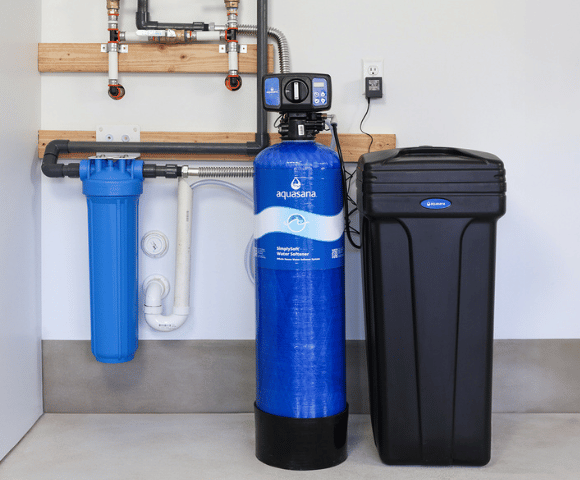
The most effective long-term prevention strategy is to install a water softener. Water softeners are installed at the main water line in your home to remove excess calcium before the minerals go through any pipes or appliances in your home, dramatically reducing the risk of buildup. Not only will a water softener protect your water heater, it protects your pipes and other appliances that use water — making it a worthy investment for your home.
2. Flush and drain the tank regularly
Sediment and mineral deposits settle at the bottom of your water heater’s tank over time. Flushing your water heater every 6 to 12 months helps remove this buildup before it hardens and reduces heating efficiency.
3. Descale with a vinegar solution
A good way to prevent long-term buildup is to descale your water heater regularly, which removes small buildup before it becomes a larger and more complicated issue. You can use a commercial descaler, or create your own with a 2:1 water-to-vinegar solution. Simply turn off the power or gas to the heater and let it cool, drain the tank, fill it with the solution and let it sit for several hours so it can break down calcium deposits. After descaling, drain the solution and flush the system with cold water until it comes out of faucets clear.
4. Keep the temperature between 120°F and 140°F
Excessively high water temperatures accelerate mineral precipitation. Keeping your water heater at a moderate setting can slow calcium buildup while still delivering hot water comfortably and safely.
5. Insulate the tank and pipes
Proper insulation reduces heat loss, which minimizes how often the unit needs to reheat water — an indirect but helpful way to limit the stress on the tank and slow mineral accumulation.
6. Schedule annual professional maintenance
Even with good DIY care, a yearly inspection from a plumbing professional can catch early signs of calcium buildup and other wear on your water heater. They can flush the system, check the anode rod, and ensure your system is running at peak performance.
How to remove calcium buildup from a water heater
If you're already dealing with reduced efficiency, noise, or discolored water, you may have existing calcium buildup in your water heater. Here’s how to address it.
Steps to remove calcium buildup in a water heater:
- Turn off the power or gas to the water heater and let it cool completely.
- Attach a garden hose to the drain valve at the bottom of the tank and direct it to a drain.
- Open the valve and drain the tank completely to remove water and loose sediment.
- Close the valve and refill the tank halfway with a 2:1 mixture of water and white vinegar, or use a commercial descaler.
- Let the solution sit for several hours to break down calcium deposits.
- Drain the solution and flush the tank by turning the cold water supply on and off until water runs clear.
- Restore power or relight the pilot, and refill the tank as usual.
- If you have an electric water heater, you can also remove and soak the heating elements in vinegar to remove scale directly.
In severe cases, or if you're uncomfortable performing maintenance, it’s best to contact a licensed plumber. They can remove the scale without damaging your tank or components and may recommend installing a water softener or filter to prevent future issues.
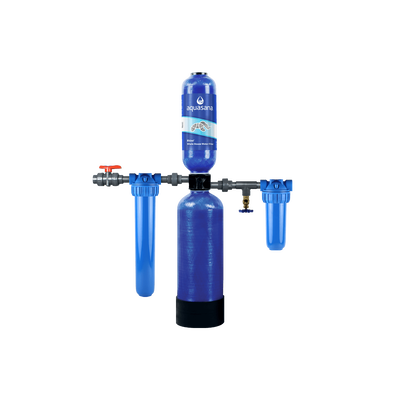
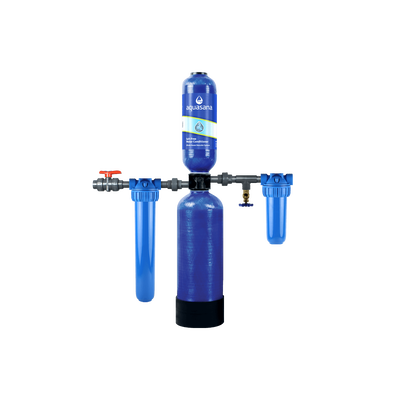
Protect your water heater with an Aquasana water softener
Calcium buildup doesn’t just affect your water heater — it impacts your entire plumbing system and appliances. Aquasana’s water softeners help prevent calcium buildup by reducing hard water minerals before they reach your water heater and other appliances. Certified by IAPMO to NSF/ANSI Standard 44 and CSA B483.1, our systems are built for performance and peace of mind — backed by a limited warranty and a 90-day satisfaction guarantee.
Shop our water softeners to find the right solution for your home!
WHOLE HOUSE WATER SOFTENER
SimplySoft™ 40,000 Grain Softener
Reduces minerals that cause hard water, providing softer, scale-free water from every tap in your home.
.png)