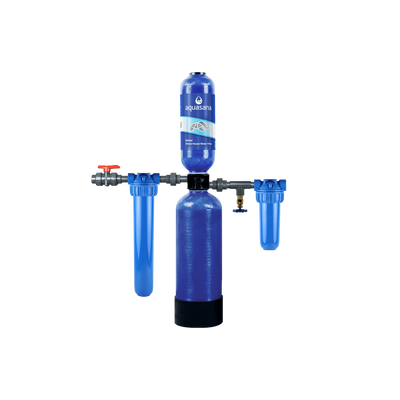
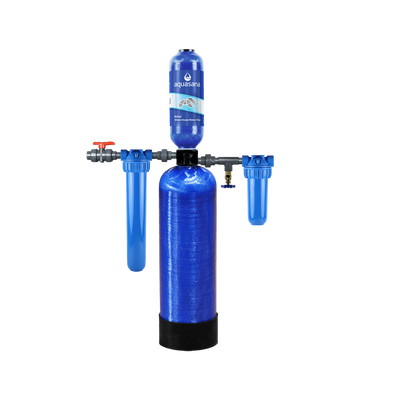
What is a water softener?
A water softener is a system that treats hard water by removing excess minerals like calcium and magnesium, which are responsible for scale buildup in pipes, faucets, and appliances. By reducing these minerals, water softeners help extend the lifespan of dishwashers, washing machines, and water heaters, while also making soaps and detergents work more effectively. The result is soft water that feels gentler on skin and hair, leaves laundry cleaner, and helps your home run more efficiently overall.
Water softener cost by system type
Water softener system costs can vary widely, with most units ranging from about $500 to $5,000 depending on the system type, size, and features. One of the biggest factors influencing cost is the system type you choose. Here’s what to expect:
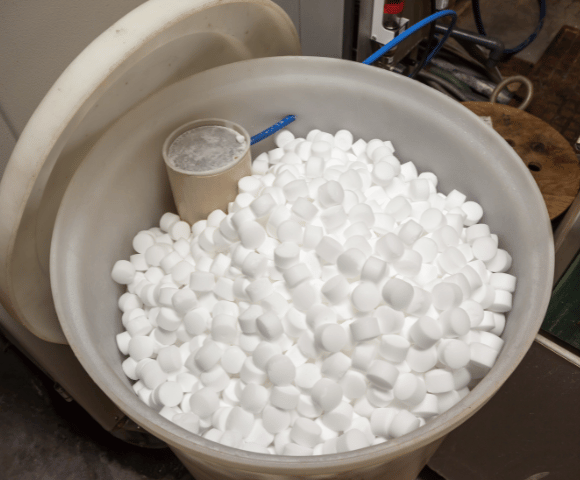
- Ion exchange systems: The most common type of water softener, these use salt and resin beads to swap hard minerals like calcium and magnesium for sodium or potassium. They typically cost between $500 and $2,000, with higher-capacity models on the upper end.
- Salt-free systems: Instead of removing minerals, these systems condition water to prevent scale from forming on surfaces and appliances. They’re low-maintenance and environmentally friendly, usually priced between $800 and $4,000.
- Dual-tank systems: Built for larger households or areas with very hard water, dual-tank models offer continuous softened water by regenerating one tank while the other is in use. Their added capacity and convenience push costs higher, often between $1,500 and $5,000.
- Magnetic/electronic systems: These units don’t physically remove minerals, but use electromagnetic fields to reduce scaling. They’re budget-friendly with costs starting around $200 and going up to $600, but opinions are mixed on the effectiveness of these systems.
Water softener cost by system size
Water softeners aren’t one-size-fits-all. They come in different capacities to match both the hardness of your water and the amount of water your household uses. Capacity is measured in grains, which refers to how many grains of hardness minerals (mainly calcium and magnesium) the softener can remove before regenerating. Water hardness itself is measured in grains per gallon (GPG) — the higher the GPG, the harder your water.
Here’s how to figure out the right size water softener for your home:
- Check your water hardness: Look at your local water quality report or use an at-home testing kit.
- Estimate your water usage: Multiply the number of people in your home by average daily water use (typically 70–100 gallons per person).
- Calculate your softening requirement: Multiply your daily water usage by your water hardness in GPG. This number tells you how many grains your softener needs to handle each day.
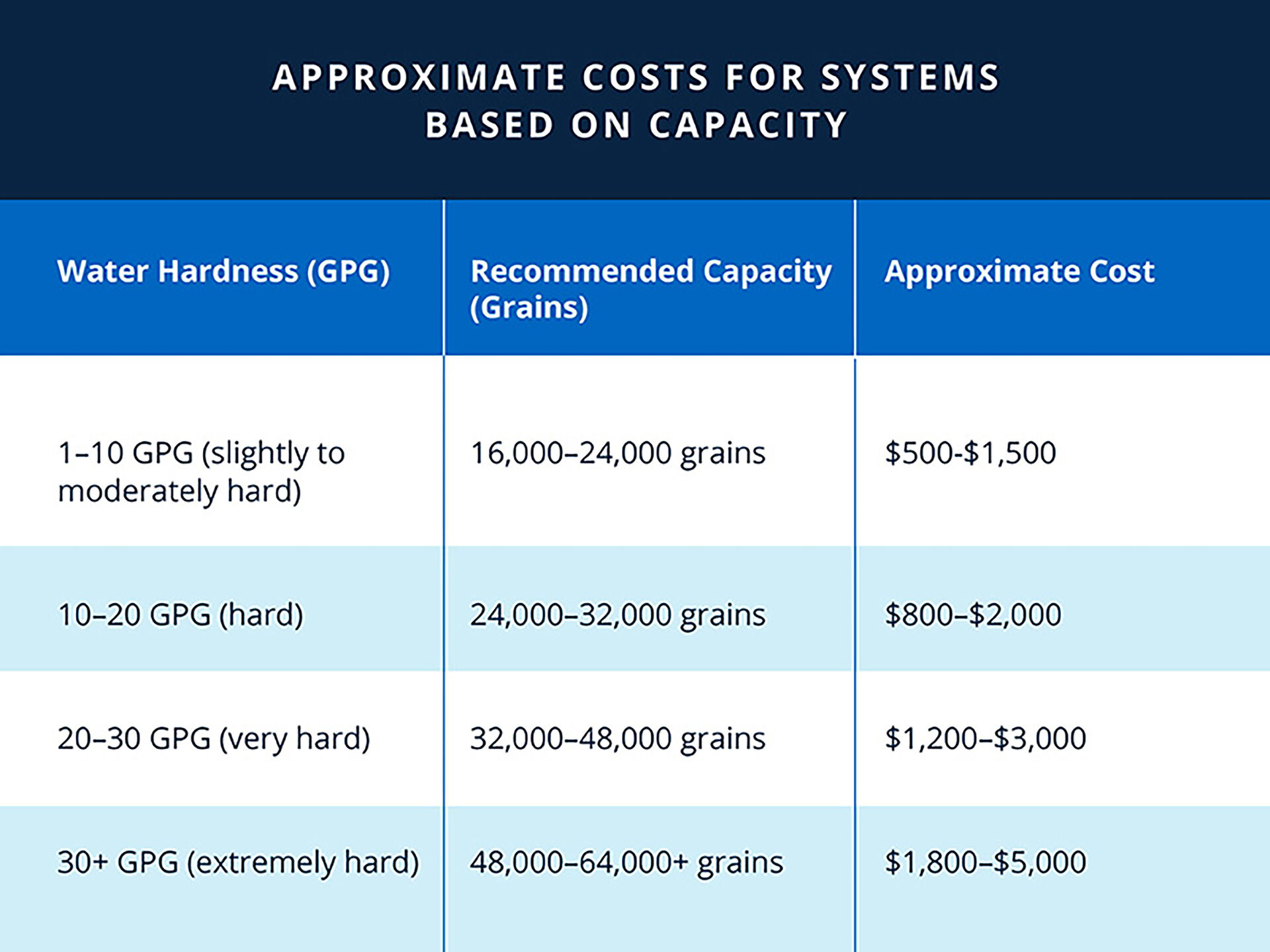
Example: A family of four uses 80 gallons of water per person, per day. That’s 320 gallons total. If their water hardness is 10 GPG, they’ll need a softener capacity of about 3,200 grains per day (320 × 10). Most families in this situation would choose a 24,000–32,000 grain system, which typically costs around $800–$2,000.
Here is a table showing approximate costs for systems based on capacity:
Additional water softener costs
When calculating the total price of a water softener, it’s important to look beyond the system itself. Several additional costs can influence what you pay for a softener short and long-term.
Installation costs
Water softener installation cost typically ranges from $200 to $1,000, depending on the complexity of your plumbing and whether any modifications are required. While some homeowners choose to install systems on their own, professional installation ensures the unit is set up correctly and complies with local codes.
Maintenance
Ongoing water softener maintenance costs include salt refills for traditional systems, along with routine needs like filter replacements and occasional resin changes. Some homeowners choose to handle these tasks themselves, but if you prefer professional service, labor costs will add to your overall maintenance expenses.
Extra features
Certain water softeners include advanced features that improve convenience and efficiency. Wi-Fi connectivity, self-cleaning functions, and programmable timers can all enhance performance, but they also raise the initial purchase price.

Inspections and permits
In some areas, your city or county may require a permit or inspection before a water softener can be installed. These fees vary by location but should be accounted for in your budget if applicable.
Lifespan
The lifespan of a water softener can range anywhere from 10 to 20 years depending on the system type, water quality, and your consistency with maintenance. Choosing a lower-quality system may save money up front, but it could mean replacing the unit sooner, increasing your long-term costs. A system with a longer lifespan reduces replacement costs and offers better long-term savings.
When should you replace a water softener?
Most water softeners last between 10 and 15 years, depending on the system type, how hard your water is, and how well the unit is maintained. Even with proper care, there comes a point when replacement is more cost-effective than ongoing repairs. You may notice signs like mineral buildup on faucets and appliances, soap and detergent that don’t lather as effectively, or laundry that feels stiff and looks dingy despite regular washing. Changes in water taste, frequent spotting on dishes, or an increase in plumbing issues are also red flags. If your softener needs frequent repairs or costly maintenance, it’s often a signal that it’s time to replace the system and invest in a more efficient option.
Is a water softener worth the cost?
Many homeowners wonder if a water softener is worth the cost? The answer is yes, as long as you choose the right system for your water needs. While costs vary depending on system type, size, installation, and features, the long-term savings on repairs, replacements, and energy bills typically outweigh the upfront expense. Beyond cost savings, soft water also adds everyday benefits like softer skin and hair, brighter laundry, and cleaner dishes.
The key is choosing the right system for your home’s water needs and usage. A well-sized, high-quality water softener can last for years, protecting your home while improving your water quality.
Shop Aquasana’s water softeners to protect your home from hard water and improve your water quality!
WHOLE HOUSE WATER SOFTENER
SimplySoft® 40,000 Grain Softener
Reduces minerals that cause hard water, providing softer, scale-free water from every tap in your home.
.png)