How do calcium and magnesium get into your water?
Calcium and magnesium are naturally occurring minerals that dissolve into water as groundwater passes through soil and rock, especially layers of mineral-rich limestone, chalk, and gypsum. In some regions, agricultural runoff may also add calcium and magnesium to your water, particularly when fertilizers seep into groundwater sources.
These specific minerals come from different natural sources:
- Calcium mainly comes from limestone and chalk, both high in calcium carbonate.
- Magnesium is typically sourced from rocks like dolomite, magnesite, and olivine.
How much calcium and magnesium does it take for water to be considered hard?
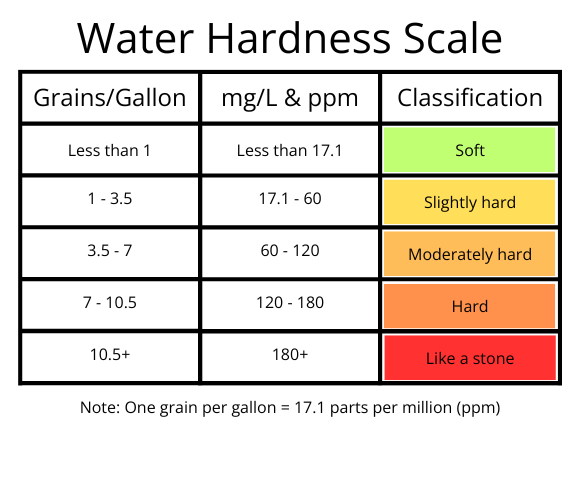
Minerals in your water are normal and beneficial for your health, but when calcium and magnesium levels are too high, the water becomes "hard water." According to the USGS, water hardness is measured by the concentration of minerals in milligrams per liter (mg/L), with the following ranges:
- Soft: 0-10 mg/L
- Moderately Hard: 61-120 mg/L
- Hard: 121-180 mg/L
- Very Hard: 180+ mg/L
The higher the mineral concentration, the "harder" your water becomes. If your water falls into the hard or very hard categories, you may need to remove the excess amounts so that you can get the benefits of these minerals without the drawbacks.
Are calcium and magnesium in water good for you?
Calcium and magnesium are minerals that are generally considered beneficial to health. Both are essential minerals that support vital functions. Calcium helps build and maintain strong bones and teeth, while magnesium is involved in muscle function, nerve signaling, and energy production.
Drinking hard water that’s rich in calcium and magnesium can contribute to your daily intake of these minerals and research has even suggested health benefits like protection against cardiovascular disease.
Effects of high calcium and magnesium in your water
If your water is hard or very hard, there are a few negative effects for your health and home.
Dry skin and hair
Hard water leaves behind mineral residue that can block pores and strip natural oils, leading to dryness, irritation, or skin that feels rough. Hair may feel less smooth, appear dull, and be more susceptible to breakage over time.
Soap doesn’t lather as well
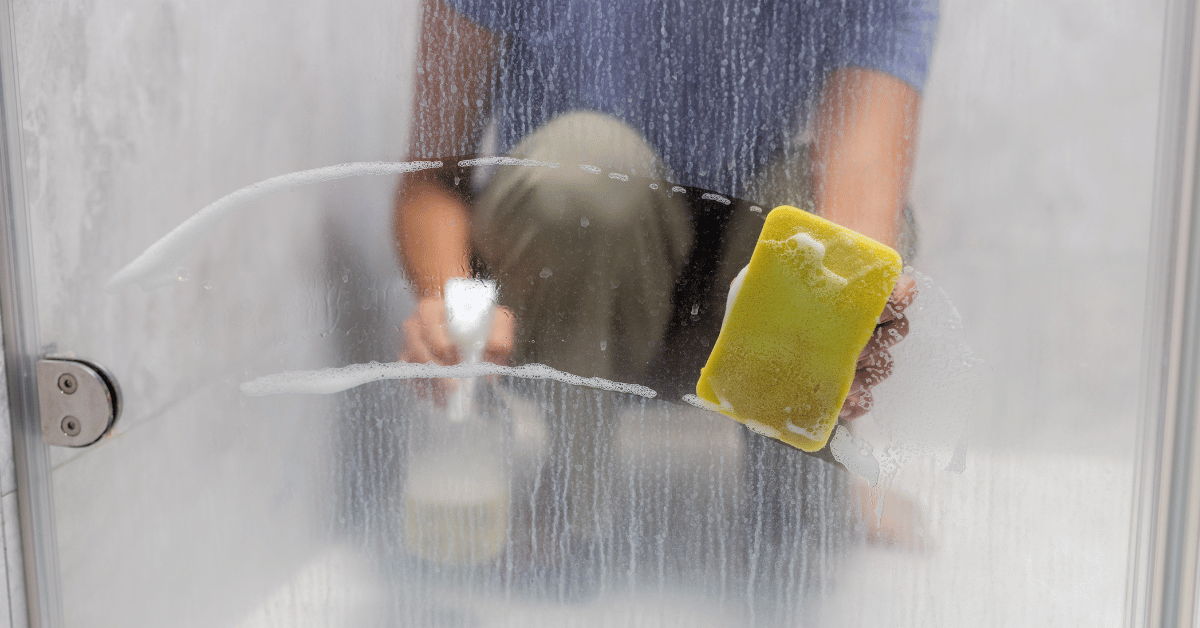
Minerals in hard water react with soap, forming a film that prevents it from lathering properly. This means you need to use more soap to get clean, and rinsing can feel less effective. This doesn’t just apply to showering, you’ll find that household cleaning products and laundry detergent don’t work as effectively.
Scale buildup
Calcium and magnesium leave hard, chalky mineral deposits known as scale that accumulates inside pipes, on faucets, and in appliances. Over time, this buildup can reduce water flow and damage plumbing or appliances like water heaters and dishwashers.
Residue on dishes
When hard water dries on dishes, it often leaves behind cloudy spots, streaks, or a gritty film. These mineral deposits are especially noticeable on glassware and can make clean dishes look unwashed.
What’s the best way to remove excess calcium and magnesium from water?
If hard water is causing issues in your home, there are a few ways to solve the problem.
1. Water softeners
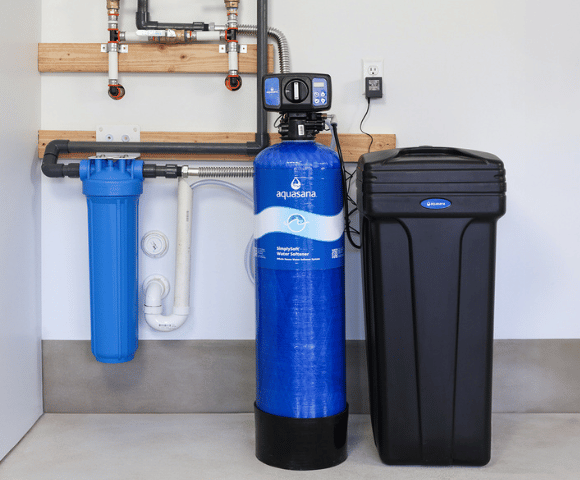
Water softeners are the most effective option for addressing hard water. These systems use a process called ion exchange, where calcium and magnesium ions in the water are swapped out for harmless sodium or potassium ions. This exchange “softens” the water by removing the minerals that cause hardness. While softeners don’t remove all minerals, they reduce them to levels that help prevent the issues associated with hard water, while still allowing you to benefit from essential minerals.
Water softeners are installed at the main water line in your home, so all water that flows through your pipes is softened which helps protect your plumbing and appliances from scale buildup, improves soap lather, and supports skin and hair health. They require periodic maintenance, such as adding salt to the system, but generally offer long-term cost savings by extending appliance life.
2. Water conditioners
Unlike water softeners, water conditioners don’t remove minerals — they alter them. These systems use a process like template-assisted crystallization or electromagnetic treatment to change the structure of calcium and magnesium ions to prevent them from sticking to pipes and surfaces. Water conditioners don’t offer the same performance of water softeners, meaning they’re not suited for especially hard water. However, they don’t require salt which makes them easier and cheaper to maintain. It’s also worth noting that just like softeners, some minerals remain so that you still get health benefits but without the adverse effects of hard water.
Get rid of calcium and magnesium in your water
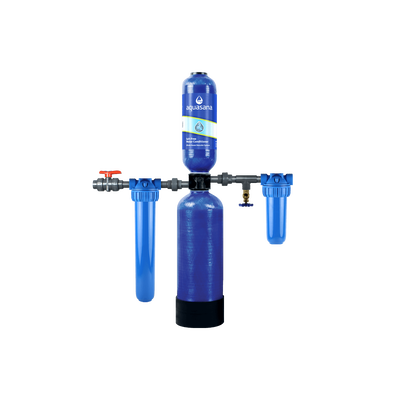
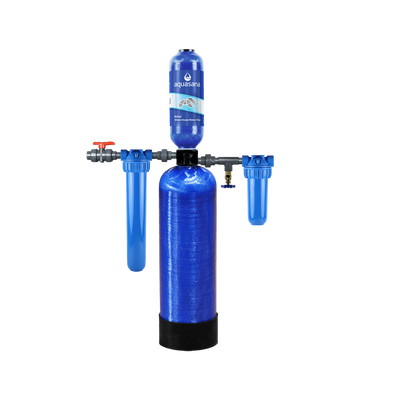
If you’re dealing with the effects of hard water like scale buildup, dry skin, or stubborn soap scum — removing excess calcium and magnesium at the source can make a big difference. Aquasana offers both water softeners and conditioners designed to tackle hard water without compromising your water’s safety or taste. Whether you prefer a traditional softener for power or a conditioner for less maintenance, Aquasana has a solution to fit your home and lifestyle.
WHOLE HOUSE WATER SOFTENERS
SimplySoft® 40,000 Grain Softener
Reduces minerals that cause hard water, providing softer, scale-free water from every tap in your home.
.png)