Water bottle environmental pollution stats
It’s no secret that plastic water bottles lead to large environmental concerns about sustainability and dangers to our oceans. Here are a few water bottle pollution stats to be aware of:
- Each day, people in the U.S. throw away more than 60 million plastic water bottles
- Plastic water bottles take 450 years to decompose
- 80% of the plastic water bottles people buy end up in landfills
- It takes three times the volume of water to manufacture one bottle of water than it does to fill it
- Making bottles to meet Americans’ demand for bottled water requires more than 17 million barrels of oil annually, enough to fuel more than 1 million U.S. cars for a year
- There are around 244,000 metric tons of plastic floating in our oceans
- Plastic bottles are the third most common type of plastic pollution collected in the 40-year history of the Ocean Conservancy's International Coastal Cleanup (ICC)
- Only 23% of disposable plastic bottles are recycled, and only 9% of all plastics ever produced have been recycled
- It’s estimated that the world’s oceans will contain more plastic than fish by 2050
- There are more than 2 million tons of discarded water bottles in landfills across the U.S.
- The average American uses 167 bottles per year, but only recycles 38
- Bottled water has a carbon footprint up to 3,500x higher than tap water factoring in manufacturing, transportation, and refrigeration
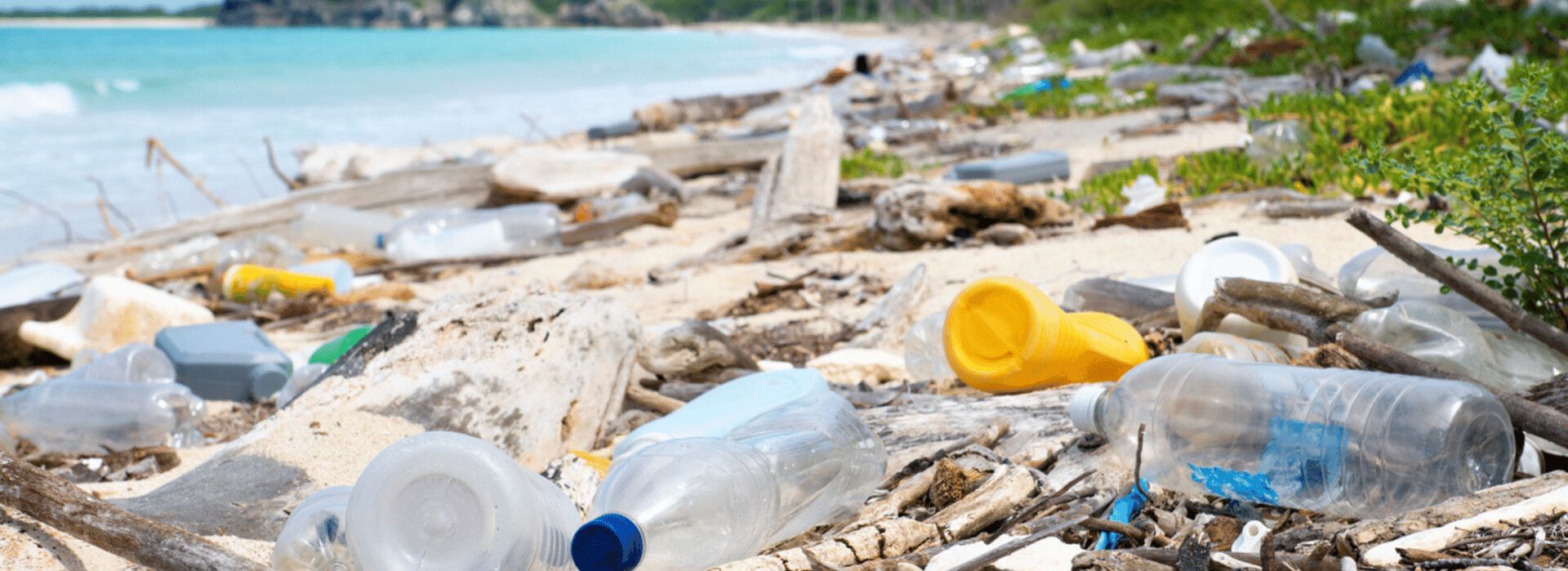
In an effort to reduce their carbon footprint, some people reuse their disposable plastic water bottles. However, single-use water bottles have an additional risk of chemicals and microplastics entering the water inside as they start to degrade from repeated use. One study by the World Health Organization found microplastics in more than 90% of samples from 259 bottle brands across the world. In one bottle tested, concentrations were as high as 10,000 plastic pieces per liter of water.
Along with these concerns, disposable plastic bottles are nearly impossible to clean properly, making them a breeding ground for bacteria, which can make them even more hazardous to reuse. Over time, tiny cracks can develop in reusable bottles which allow bacteria and fungi to grow. This may not be noticeable by the naked eye, but can have a devastating effect on your health.
Water bottle statistics about consumption, trust, safety, and costs
In our most recent Water Quality Survey, we uncovered some surprising insights about Americans’ bottled water habits and attitudes:
- 56% of U.S. adults said they drink bottled water a few times a week or daily, while 16% of respondents indicated drinking bottled water once or twice a month
- 70% of US adults in 2026 are aware of bottled water containing microplastics, a 6% increase YoY (70% vs. 66%)
- 13% of US adults believe bottled water is generally free of microplastics, a 13% decrease YoY (13% vs. 15%)
- 17% of of US adults in 2026 have never heard of microplastics in bottled water, an 11% decrease YoY (17% vs. 19%)
- Trust in bottled water has declined from 41% in 2019 to 34% in 2026 based on our most recent survey data
Bottled water is still widely consumed despite awareness that it contains microplastics, though trust has declined over the last six years. This may simply be from convenience, but the stats around bottled water consumption are alarming despite plenty of data to support moving to tap or filtered water as a better alternative.
Here are some additional statistics about bottled water that might surprise you:
- Since 2010, yearly bottled water consumption has grown by almost 40% in the U.S.
- 18% of Americans only drink bottled water, while 11% of Americans only drink tap or filtered water and 71% of Americans drink both
- Nearly 64% of the bottled water sold in the United States is actually sourced from municipal tap water
- In a survey of 1,000 plastic bottles tested, 22% of the brands tested contained chemicals at levels above state health limits in at least one sample
- Bottled water costs an average of $1.11 per gallon, while tap water costs less than half a penny per gallon
- Drinking the recommended 8 glasses of water per day costs about $0.49 per year from the tap, but $1,400 with bottled water
- 60% of U.S. adults own a reusable water bottle, meaning they can filter at home and bring it on-the-go
Stop using disposable plastic bottles
Now that you have plenty of information, hopefully you’ve come to the conclusion that single-use bottled water is not the best option for your health or the environment.
Instead, we recommend using a water filter at home and bringing a reusable bottle when you’re on-the-go. Aquasana has a wide selection of water filters including whole house, under sink, countertop, and shower filters to suit your needs. For help choosing the right option, contact us for more information!


