The growing frequency of natural disasters
Extreme weather is no longer rare — it’s becoming routine across the United States.
The U.S. experienced 27 billion-dollar weather and climate disasters in 2024, one of the highest totals on record. That equates to roughly one major disaster every four days, affecting more than 100 million Americans.
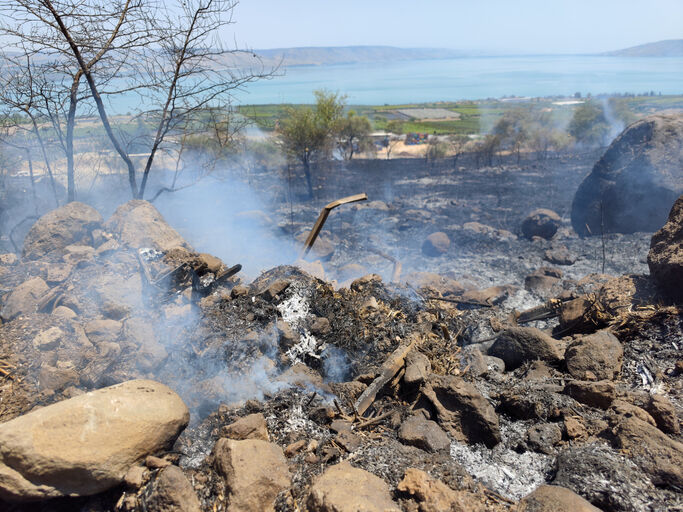
Recent years have also shown how quickly conditions can shift. In 2025, regions like Texas experienced prolonged drought followed by sudden, catastrophic flooding — a pattern experts describe as “weather whiplash.” These rapid transitions put significant strain on water systems, infrastructure, and reservoirs.
Looking ahead, NOAA forecasts indicate that El Niño conditions are likely to develop in 2026, which can amplify weather extremes — bringing heavier rainfall to some regions while worsening drought in others.
At the same time, severe storms continue to intensify. Historic flooding in Central Texas in 2025 caused widespread damage, loss of life, and infrastructure disruption, reinforcing how vulnerable water access can be during extreme events.
For homeowners, the takeaway is clear: disruptions to water quality and availability are becoming more frequent — and less predictable.
Key takeaways
- 83% of Americans worry about losing access to clean drinking water during natural disasters
- The U.S. experienced 27 billion-dollar weather disasters in 2024 — nearly one every four days
- Extreme weather events are increasing in both frequency and volatility, placing added stress on water systems
- Flooding, power outages, and infrastructure damage can compromise municipal water quality
- Natural disasters often create a paradox: more water, but less water that is safe to drink
- Home water filtration systems provide a critical layer of protection during disruptions
- Aquasana’s Austin-based team continues to develop high-performance solutions designed for resilience and reliability
Clean water starts at home
We can’t control the weather. But we can control how prepared we are for it.
As extreme weather continues to reshape daily life across the United States, access to clean drinking water is becoming a more immediate and personal concern for homeowners.
A reliable home water filtration system provides peace of mind — helping ensure your water is cleaner, healthier, and protected when it matters most.
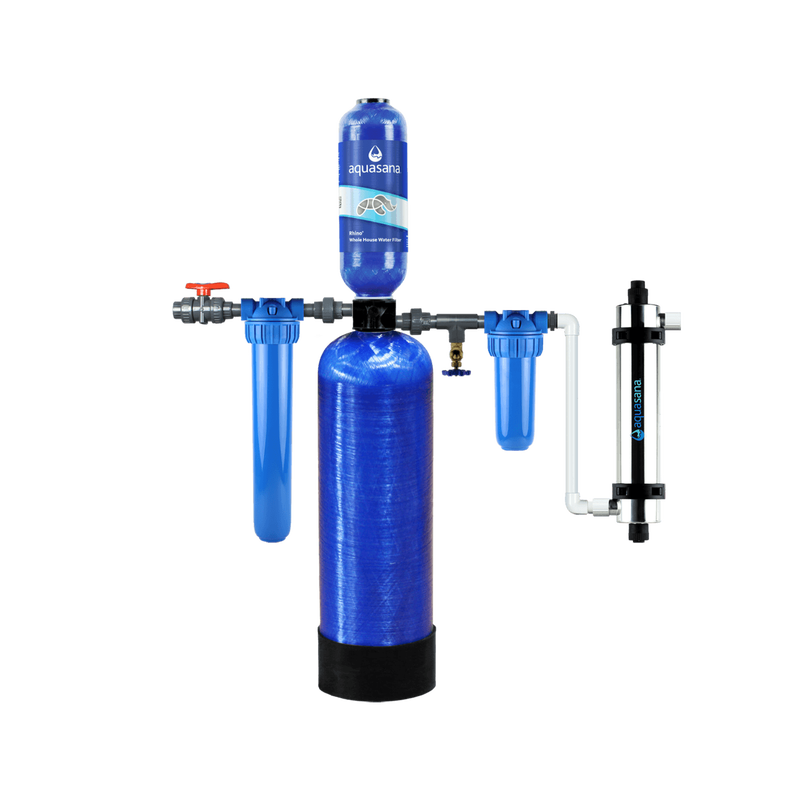
WHOLE HOUSE WATER FILTER
Rhino® Max Flow with UV
Maximum-flow whole house water filtration system reduces 97% of chlorine at 2X the flow rate. Lasts 1,000,000 gallons or 10 years.