Does tap water have chlorine?
Yes, there’s chlorine in your tap water. It’s added by municipal water systems to disinfect and protect against harmful microbes, and has been a reliable part of U.S. water treatment for over a century. While it may sound surprising, chlorine’s role in keeping your water safe is both well-studied and tightly regulated.
Chlorine is added to municipal water supplies as a disinfectant to kill bacteria, viruses, and other harmful microorganisms. On average, tap water contains about 1.3 parts per million (ppm) of chlorine when it leaves the treatment plant, and slightly less, around 1.16 ppm, by the time it reaches your faucet. That’s well within the Environmental Protection Agency’s (EPA) maximum allowable limit of 4 ppm for drinking water.
To put that in perspective, recommended chlorine levels for swimming pools are typically between 1–3 ppm, and even higher for hot tubs. So yes, technically your tap water could have more chlorine than a pool, it’s still considered safe — though many people prefer to filter it out for better taste and peace of mind.
Why is chlorine used to treat tap water?
Chlorine is commonly added to tap water because it’s a powerful and affordable way to kill germs. It helps eliminate bacteria, viruses, and parasites that could otherwise make you sick. Chlorine also stays active as water travels through pipes, offering ongoing protection from potential contamination on its way to your home.
Some water systems use chloramines instead — a mix of chlorine and ammonia. Chloramines aren’t as strong as chlorine, but they last longer in the water supply, making them a good option for cities with large or complex distribution systems. They also tend to cause fewer issues with taste and smell.
Both chlorine and chloramines can react with natural materials in the water to form disinfection byproducts (DBPs), such as trihalomethanes (THMs) and haloacetic acids (HAAs). These byproducts are closely monitored and regulated by the EPA, since long-term exposure to high levels could carry health risks.
Key Terms
- Chlorine: A fast-acting disinfectant that kills bacteria and viruses in water and provides ongoing protection as it moves through the system.
- Chloramines: A combination of chlorine and ammonia used as a more stable, longer-lasting disinfectant with milder taste and odor.
- Disinfection Byproducts: Compounds formed when chlorine or chloramines react with natural organic matter; regulated due to potential health risks with long-term exposure.
What’s the safe level of chlorine in drinking water?
According to the CDC, up to 4 parts per million (ppm) of chlorine in drinking water is considered safe for human health. This level is high enough to effectively kill germs like bacteria and viruses, which could otherwise lead to serious illness, but still low enough that it’s unlikely to cause harmful effects in most people. In fact, this chlorine limit is the same guideline used for properly disinfecting recreational water, like pools and hot tubs, to prevent the spread of waterborne diseases.
That said, while chlorine is generally considered safer than the pathogens it’s meant to eliminate, it’s not completely without drawbacks. Some people may notice an unpleasant taste or smell, and long-term exposure to chlorine and its byproducts has been linked to potential health concerns. For this reason, its use is carefully regulated, and many people choose to use water filters at home to reduce chlorine levels even further.
Health effects of exposure to chlorine from tap water
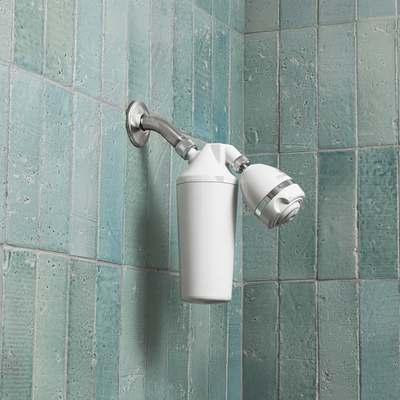
While chlorine is great at killing germs in water, it’s not always gentle on our bodies. One of the most common complaints is that it can be drying or irritating to the skin and hair. If you have sensitive skin or conditions like eczema, you might notice itchiness or redness after showering in chlorinated water. It can also strip away natural oils in your hair, leaving it dry, brittle, or even slightly discolored with regular exposure.
Chlorine can also vaporize when water is heated, like during a hot shower or bath. When inhaled, this vapor may irritate the eyes, throat, or lungs, especially in small, unventilated spaces. People with asthma or other respiratory conditions may be more sensitive to these effects and could experience worsened symptoms. While these reactions aren't common for everyone, it’s something to be aware of if you notice discomfort during or after bathing.
Beyond how it feels or affects the body, chlorine can also impact the way water smells and tastes. Some people describe their tap water as smelling like a pool or having a chemical aftertaste, which can make it less appealing to drink or cook with. Because of this, many households use water filters to reduce chlorine levels — not just for health reasons, but for better-tasting water too.
Remove chlorine from tap water with an Aquasana water filter
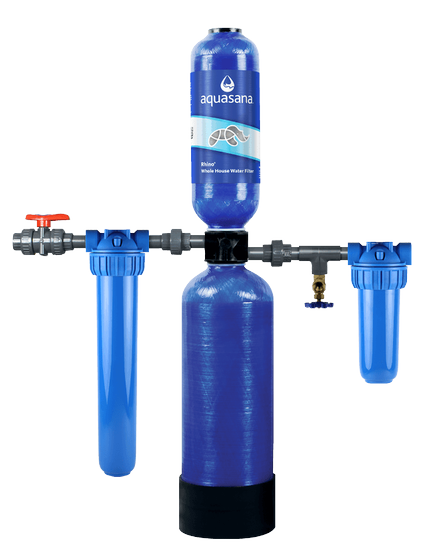
If you’re concerned about the effects of chlorine in your water — whether it’s the taste, smell, or how it affects your skin and hair — filtration can make a big difference. Aquasana offers both whole house and under sink systems designed to reduce chlorine and improve overall water quality throughout your home.
Aquasana’s filters are independently tested and certified to remove up to 97% of chlorine from tap water. The whole house systems provide filtered water throughout your home, while the under sink systems provide targeted filtration where you need it most, like in the kitchen for drinking and cooking. Whether you want better-tasting water or fewer skin and hair issues, filtering out chlorine is a smart and simple step toward healthier water.
WHOLE HOUSE WATER FILTER
Rhino®
High-performance water filtration system reduces 97% of chlorine and more from every tap in your home for 1,000,000 gallons or 10 years.