What is coliform bacteria?
Coliform bacteria is a group of microorganisms that naturally exist in the environment, including soil, plants, and the intestines of people and animals. Most of the time, coliform bacteria itself doesn’t cause illness, but when it shows up in well water, it’s a red flag. It suggests that something from the outside environment may be getting into your well, which can increase the risk of more harmful bacteria being present.
When coliform is found during a water test, it’s usually broken down into different types to help pinpoint the source of the problem and how concerned you should be. Think of these categories as clues that help narrow down where the contamination may be coming from.
Common types of coliform include:
- Total coliform: Bacteria commonly found in soil, plants, and surface water.
- Fecal coliform: A type of coliform linked to waste from humans or animals, often pointing to contamination from runoff or nearby septic systems.
- E. coli: A specific type of fecal coliform that signals recent contamination and poses a higher health risk.
How does coliform bacteria get into well water?

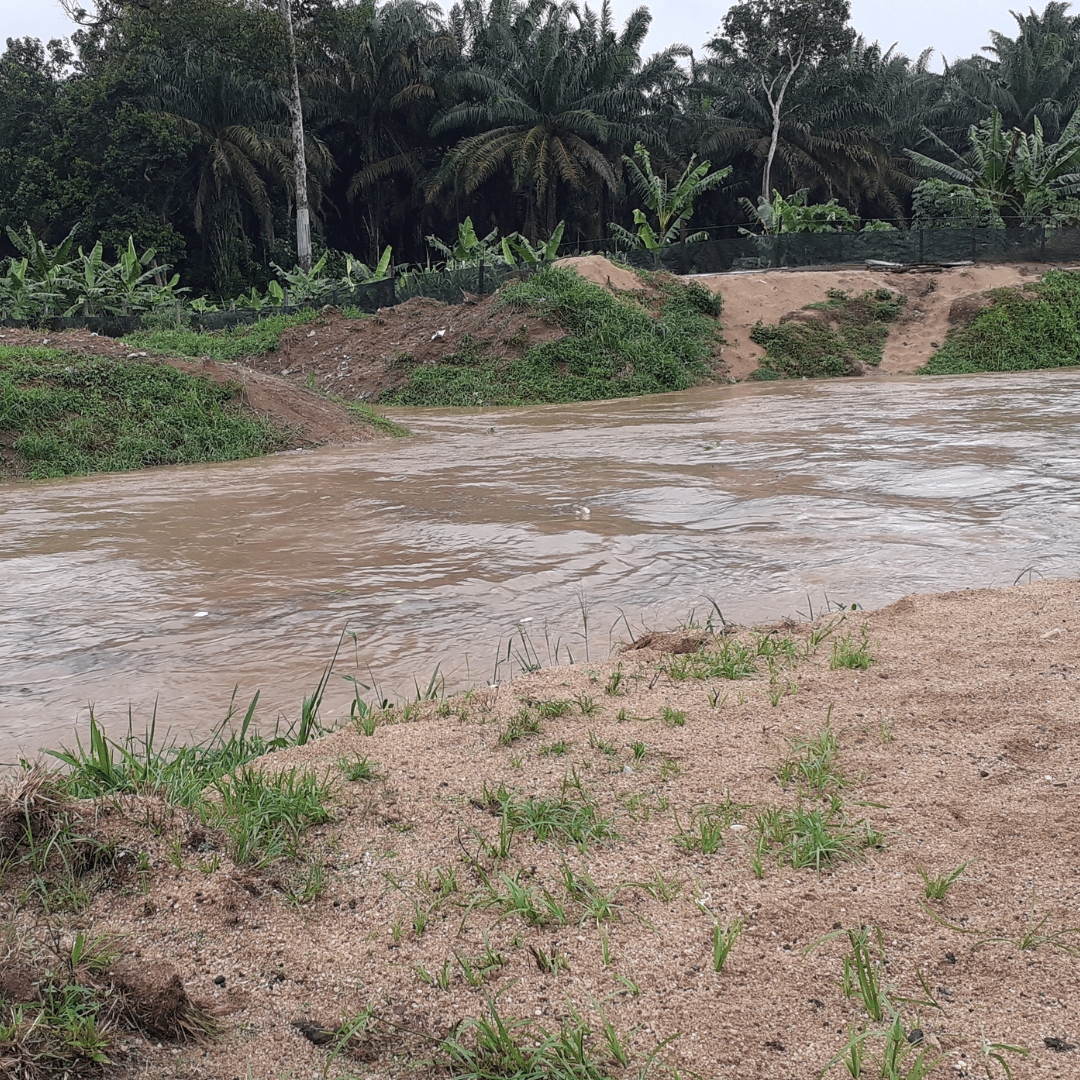
Coliform can enter well water when something allows surface contaminants to reach the water supply, and this is more common than many well owners realize. Because private wells are exposed to the surrounding environment, even small issues can create a pathway for bacteria. In fact, coliform is one of the most common findings during routine well water testing, especially after heavy rain, flooding, or seasonal changes.
Common ways coliform gets into well water include:
- Cracks or damage in the well casing or cap
- Flooding or heavy rainfall that carries bacteria into the well
- Nearby septic systems that aren’t properly maintained
- Surface runoff from livestock, wildlife, or agricultural areas
- Shallow wells or older wells that don’t meet current construction standards
Dangers of coliform bacteria
Finding coliform bacteria in your well water doesn’t always mean the water will make you sick, but it does signal a potential problem. Since coliform is used as an indicator, its presence suggests that your well may be allowing outside contaminants to enter the water supply. That matters because the same pathways that let coliform in can also allow more harmful microorganisms to reach your water, increasing the risk of waterborne illness.
In some cases, especially when fecal coliform or E. coli is detected, drinking or using contaminated water can lead to symptoms like stomach cramps, diarrhea, nausea, or vomiting. Infants, older adults, and people with weakened immune systems are especially vulnerable. Even when illness doesn’t occur, ongoing coliform contamination can point to structural issues with the well that should be addressed to protect long-term water quality and safety.
How to test well water for coliform bacteria
Because coliform can’t be seen, smelled, or tasted, testing is the only way to know if it’s present in well water. Most homeowners test their well water using a certified laboratory kit, which involves collecting a water sample and sending it to a lab for analysis. Testing is typically recommended at least once a year, as well as after heavy rainfall, flooding, well repairs, or any noticeable changes in water quality, so potential contamination can be identified and addressed early.
How to get rid of coliform bacteria from well water
If coliform is detected in your well water, the goal is to protect your household right away while also addressing the underlying issue to prevent it from recurring. Removing coliform usually involves a combination of short-term precautions, identifying how the contamination occurred, treating the well itself, and taking steps to prevent future problems. Because every well is different, the exact approach may vary depending on the source and severity of contamination.
The steps below outline a common process homeowners follow to reduce risk, restore water quality, and maintain safer well water over time.
1. Avoid well water containing coliform
If testing shows coliform is present, it’s best to avoid drinking the water until the issue is addressed. In some cases, boiling water may reduce risk for short-term use, but this isn’t a long-term solution. Using an alternative water source can help protect your household while you determine next steps.
2. Determine the source of coliform contamination
Finding out how coliform entered your well is key to stopping it from coming back. Start by checking the condition of the well itself, including the cap, casing, and seals, since cracks, gaps, or loose fittings can allow surface water and bacteria to enter. Even small issues around the well opening can create an easy pathway for contamination.
It’s also important to look at what’s happening around the well. Poor drainage, heavy rainfall, flooding, or standing water near the well can increase the risk of coliform entering the system. Nearby septic systems, livestock areas, or wildlife activity may also contribute, especially if the well is shallow or older. Identifying and correcting these factors can help reduce the chance of repeat contamination and support long-term water safety.
3. Treat the well through shock chlorination
Shock chlorination is a common method used to disinfect a well by introducing a strong chlorine solution to kill bacteria. This process treats the well, plumbing, and water system, and is often used after contamination is detected. While shock chlorination can be effective, it doesn’t address structural issues that may allow bacteria to return.
4. Use a water filter for additional protection
Even after treating the well, adding filtration can help provide ongoing protection at the point where water is actually used. While shock chlorination can eliminate existing bacteria, it doesn’t prevent new contaminants from entering the system if conditions change. That’s why many well owners choose filtration as an added safeguard, especially for drinking and cooking water.
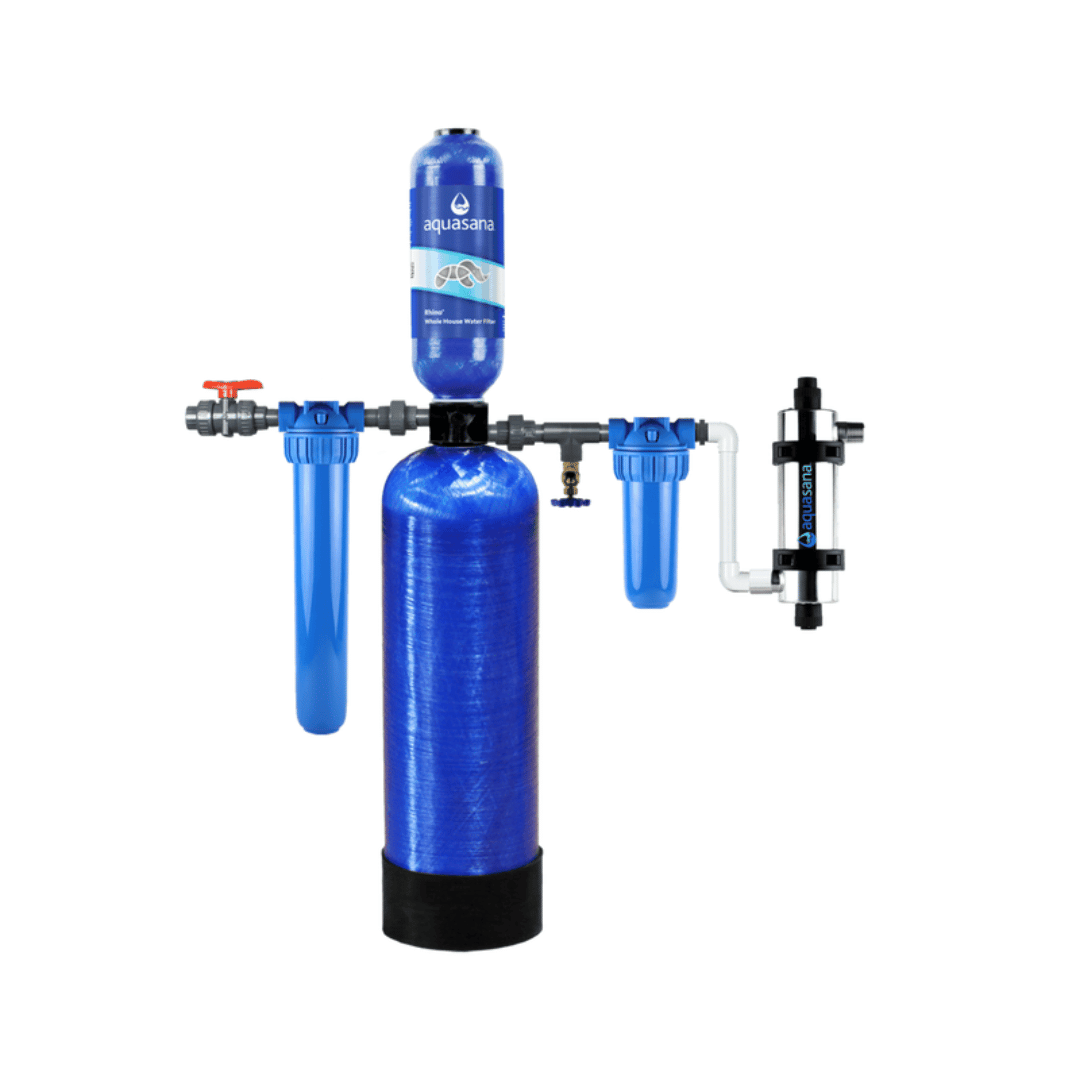
Depending on your needs, this may include a whole house well water filtration system or point-of-use filters in the home. Whole house well water systems typically incorporate a UV filter, like Aquasana’s Rhino® Well Water with UV, which is certified to NSF/ANSI Standard 55 to sterilize 99.99% of bacteria and viruses, and 99% of cysts. For added protection, you can pair a whole house system with a point-of-use under sink or countertop system to address additional contaminants. Filtration works best as part of a broader well water management plan, alongside regular testing and proper well maintenance.
5. Retest your water
Once treatment and any necessary repairs are complete, retesting your well water is essential to confirm that coliform has been removed. Ongoing testing helps ensure your water remains safe and alerts you early if contamination returns. Regular monitoring is one of the most effective ways to protect well water quality long-term.
Improve your well water quality with Aquasana
Protecting well water from coliform goes beyond testing and treatment. It also means supporting long-term water quality throughout your home. Aquasana’s Rhino® Well Water with UV sterilizes 99.99% of bacteria and viruses, including coliform, to improve the quality and safety of the water you use throughout your home. With a capacity of 500,000 gallons or up to 5 years, you can rest assured that your home is protected without constant maintenance. Shop our well water system and upgrades, or explore our full lineup of water filtration products.
WHOLE HOUSE WATER FILTER
Rhino® Well Water with UV
Whole house filtration system protects from bacteria, viruses, and other contaminants commonly found in well water. Lasts for 5 years or 500,000 gallons.