What are microplastics?
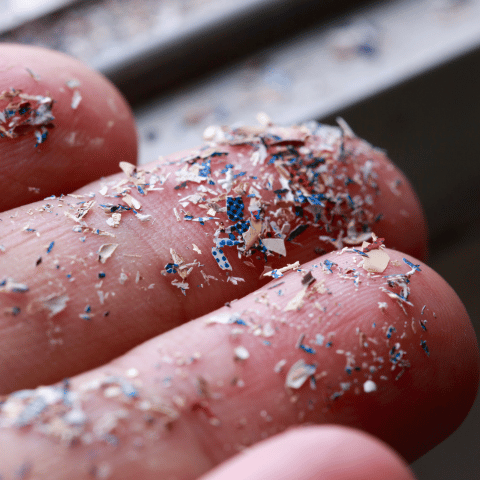
Microplastics are tiny plastic particles less than five millimeters in size, about the width of a sesame seed or a pencil eraser, that have become a pervasive part of our environment. They originate from the breakdown of larger plastic items like bottles and bags, as well as from products intentionally manufactured at microscopic sizes, such as microbeads in personal care products.
As plastic production has doubled in the last two decades, microplastics are now found everywhere, from the depths of the ocean to inside the human body.
The health implications of ingesting microplastics are still being studied, but early research suggests potential risks, including physical irritation and inflammation of the gastrointestinal tract. Moreover, microplastics can act as carriers for harmful chemical pollutants, such as heavy metals and endocrine-disrupting chemicals, which may leach into the body upon ingestion.
Types of microplastics
Microplastics are categorized into two separate categories: primary microplastics and secondary microplastics.
Primary microplastics
These are tiny plastic particles that are intentionally manufactured at a microscopic size. They are commonly found in:
- Microbeads: Microbeads are small plastic particles that are added to items like exfoliating scrubs, toothpaste, and facial cleansers to provide texture or scrubbing action.
- Plastic pellets (nurdles): Tiny pre-production plastic beads that serve as the raw material for manufacturing a wide range of plastic products.
- Industrial abrasives: Used in processes like sandblasting and injection molding, these microplastics help smooth or shape materials.
Secondary microplastics
These form when larger plastic items break down over time due to exposure to sunlight, wind, water, and other environmental factors. They often come from:
- Microfibers: Tiny fibers that are shed from clothing, fabrics, nets, and other textiles as they degrade.
- Fragments: Small plastic pieces that break off from larger plastic items such as bottles, bags, and packaging.
- Foam: Pieces of broken-down Styrofoam from food containers, cups, and packaging.
- Tire particles: As tires wear down from regular driving, they shed tiny plastic particles that accumulate on roads and eventually wash into waterways.
- Paint flakes: As painted surfaces shed or are sandblasted, paint flakes come off and enter the environment.
How do microplastics get into drinking water?
Microplastics can enter drinking water through several pathways, often beginning with the breakdown of larger plastic waste in the environment. When plastic litter such as bags, bottles, and packaging breaks down into tiny fragments, rain and runoff can carry these particles into rivers, lakes, and other freshwater sources. Since many communities rely on these bodies of water for their drinking supply, microplastics can easily make their way into the system before treatment even begins.
Another major source is household wastewater. Every day activities like washing clothes made from synthetic fabrics or using personal care products containing microbeads release microplastics into drains. Wastewater treatment plants are not always equipped to filter out these microscopic particles entirely, meaning some escape into the environment and eventually mix with drinking water sources. Microplastics can also enter water supplies through airborne particles that settle via wind and rain, or even from the degradation of plastic pipes and storage containers within water systems themselves.
Because microplastics are so small and widespread, they’ve been found in both bottled and tap water around the world. Their presence in our drinking water highlights the extent of plastic pollution and the need for better filtration and waste management strategies.
Statistics about microplastics in drinking water and the environment
Microplastics have become a widespread contaminant, showing up in the environment and even in the water we drink, raising urgent concerns about their long-term impact on ecosystems and human health.
- 94% of U.S. tap water samples tested positive for microplastics according to a study by Orb Media and the University of Minnesota.
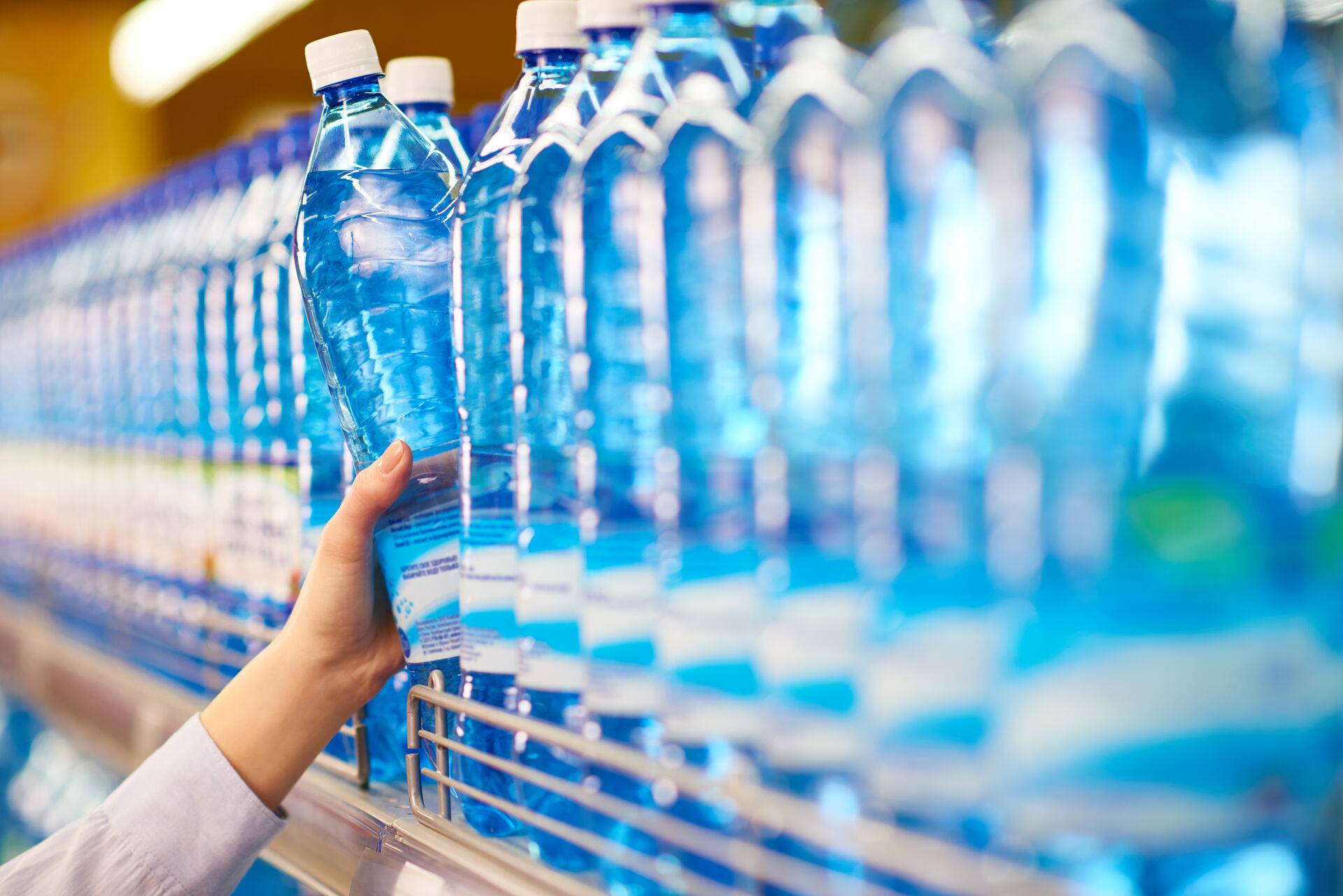
- Over 80% of bottled water samples worldwide contained microplastics, with U.S. brands among those tested.
- Up to 23 billion microplastic particles are estimated to be released daily into U.S. waters from municipal wastewater treatment plants.
- On average, a liter of bottled water contains 240,000 plastic fragments — 10-100x more microplastics and nanoplastics than previous estimates.
- The USGS found 90% of Colorado rainwater samples contained microplastics, demonstrating atmospheric deposition.
- The average person eats, drinks, and breathes between 78,000 and 211,000 microplastic particles each year.
- A study in Oregon found microplastics in 98.9% of seafood samples.
- 82% of Americans express concern about microplastics in drinking water, while 83% express concern about microplastics in their home according to our most recent Water Quality Survey.
- 71% of US adults in 2026 are aware of bottled water containing microplastics, whereas 13% of US adults in 2026 believe bottled water is generally free of microplastics according to our most recent Water Quality Survey.
- 19% of of US adults in 2025 have never heard of microplastics in bottled water according to our most recent Water Quality Survey.
The numbers surrounding microplastic contamination in the U.S. paint a pretty troubling picture. Microplastics are showing up everywhere, in tap water, bottled water, and even natural bodies of water. Almost every sample of U.S. tap water tested has had microplastics in it, which shows just how widespread and persistent the issue is.
These tiny particles mainly come from plastic waste and synthetic materials, and they make their way into water systems through runoff, wastewater discharges, and even through the air. Wildlife is also affected, with microplastics entering the food chain and potentially causing harm to ecosystems. This widespread contamination is a wake-up call for action.
Health statistics about microplastics
Research about the health effects of microplastics has just started coming out as scientists have been investigating the contaminant over the past decade, but what’s been discovered is concerning.
- A study found microplastic particles in the blood of nearly 80% of participants, indicating that these particles can circulate throughout the body.
- Concentrations of microplastics and nanoplastics were found to be 7-30 times higher in the brain than in the liver or kidneys.
- A study by the University of New Mexico Health Sciences reported a 50% increase in microplastic accumulation in human brains over the past eight years, suggesting a growing exposure trend.
- A study found microplastics in the arteries of stroke victims, with 51 times more plastic particles compared to individuals with healthy arteries, suggesting a potential link between microplastic accumulation and cardiovascular diseases.
- Research indicates that microplastics may double the risk of heart attacks and strokes, particularly in individuals with existing heart conditions.
While researchers are still working to fully understand the health effects of microplastics, it’s clear that we should start taking steps to reduce our exposure. This means using fewer single-use plastics, improving water filtration, and staying informed about where microplastics come from. As more research becomes available, we will hopefully gain clearer insight into how to better protect ourselves from the contaminant.
Protect against microplastics with an Aquasana water filter
The increasing presence of microplastics in our water, environment, and even within our bodies makes it clear that action is needed. While cutting back on plastic use and supporting environmental efforts are important long-term goals, taking steps to filter microplastics from your drinking water now is just as crucial.
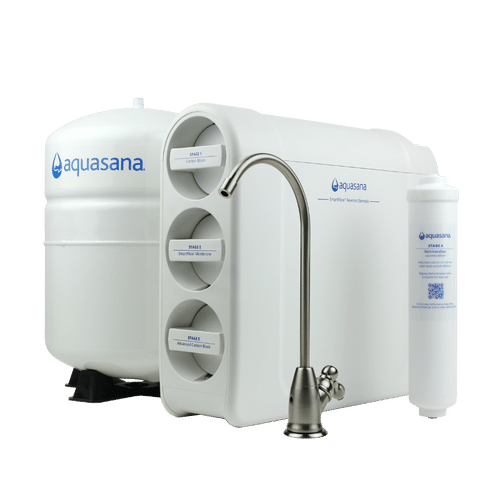
Aquasana offers trusted solutions like our SmartFlow® Reverse Osmosis System that filters 99.99% of 90 contaminants including microplastics, lead, chlorine, PFOA/PFOS, and more. Tested and certified by WQA to NSF/ANSI Standards 42, 53 (includes P473), 58, 401, and CSA B483.1 — the system is proven to improve your water quality.
UNDER SINK WATER FILTER
SmartFlow® Reverse Osmosis
High-efficiency reverse osmosis system removes up to 99.99% of 90 contaminants, including fluoride, arsenic, chlorine, and lead.