What causes iron in well water?
As groundwater moves slowly through layers of soil and rock, it naturally picks up minerals along the way, including iron. In regions with iron-rich geology, that means your well water can carry dissolved iron before you even turn on the tap. But the source isn’t always underground. Iron can also make its way into your water through corrosion in iron or steel well components, like the casing or pump, as well as from older household plumbing. Over time, these internal sources can add to your well water’s iron levels.
Signs you may have iron in your well water
You can typically detect iron through noticeable changes in how your water looks, tastes, or behaves around your home. If you’re seeing any of the following, iron could be the cause:
- Metallic or slightly bitter taste in drinking water
- Reddish, orange, or yellow stains on sinks, tubs, or toilets
- Rust-colored streaks on laundry, especially whites
- Water that comes out clear but turns brown or red after sitting
- Visible particles or sediment in your water
- Buildup or clogging in faucets, showerheads, or appliances
- Slimy, reddish-brown residue in toilets or pipes
What type of iron is in your well water?
Not all iron from well water behaves the same way, which means treatment isn’t one-size-fits-all. The right solution depends on the form of iron present, and how much is in your water. Identifying the type of iron you’re dealing with is an important first step before choosing a filtration method.
Ferrous iron (clear-water iron)
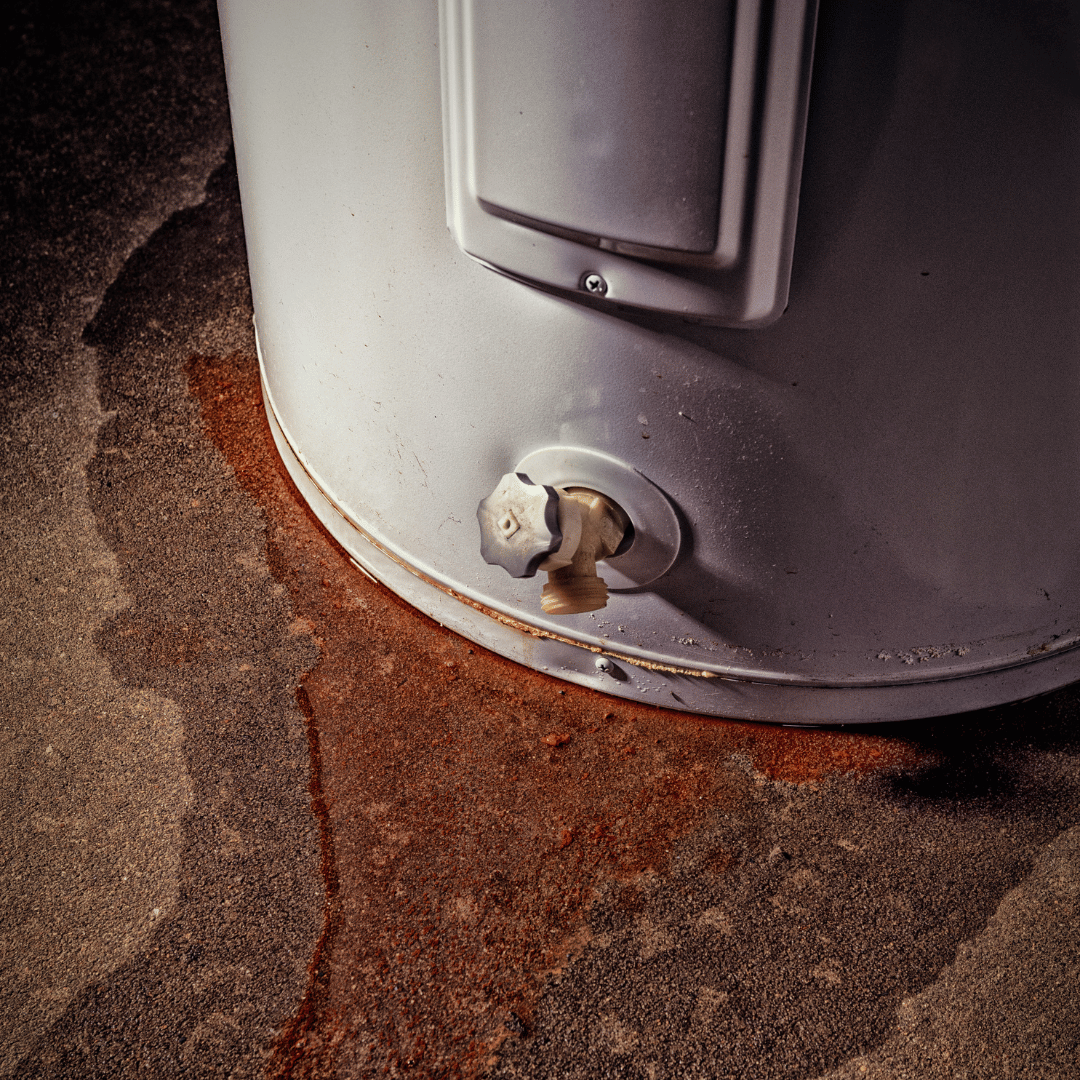
This type of iron is dissolved in the water, so it often comes out of the tap looking clear at first. After sitting or being exposed to air, it can oxidize and turn red or brown.
Ferric iron (red-water iron)
This type of iron has already oxidized, so the water appears red, yellow, or rusty as soon as it comes out of the tap. You may also notice small particles in the water or sediment settling at the bottom over time.
Organic iron
This type of iron is attached to natural organic material, which can make the water look yellow or brown, though it may sometimes still appear clear. It can be harder to remove because it stays dissolved in the water instead of forming particles that can be easily filtered out.
Iron bacteria
Iron bacteria are microorganisms that feed on iron and leave behind a reddish-brown slime or film in your water system. This buildup can collect in pipes, fixtures, and appliances over time, causing clogs and ongoing maintenance issues.
Why you should test your well water before choosing a treatment
While changes in color, taste, or staining can point to iron in your water, they don’t tell you exactly how much is present or what type you’re dealing with. A professional water test is the most reliable way to measure iron levels and identify any other contaminants. This information helps ensure you choose a treatment solution that actually fits your water.
How to remove iron from well water
There isn’t a one-size-fits-all solution for removing iron from well water. The best approach depends on the type of iron present, how much is in your water, and whether other contaminants are also involved.
Water softeners for low levels of clear-water iron
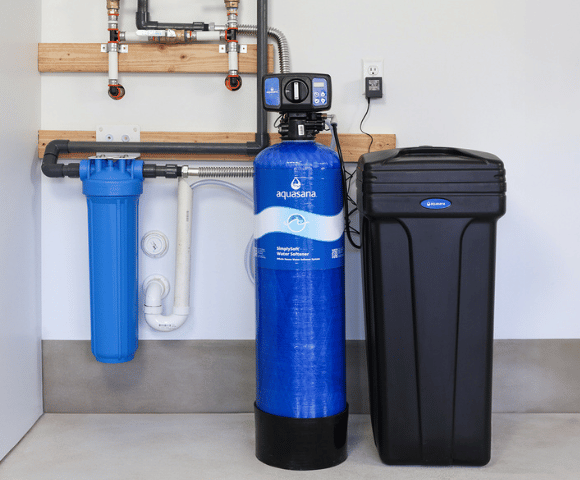
Water softeners can help remove ferrous iron, especially when levels are low and the iron is fully dissolved in the water. They work by exchanging iron and other minerals for sodium or potassium during the softening process.
Iron filters for higher iron levels or red-water iron
Dedicated iron filters are often used when iron levels are excessive or when water appears red or yellow right from the tap. These systems are designed to target iron more directly, often by converting it into particles that can be filtered out.
Oxidation and filtration for more complex iron problems
Some well water needs a more advanced treatment, especially when dealing with organic iron or iron bacteria in addition to sulfur and manganese. These added contaminants can cause stronger odors, more staining, and faster buildup in your pipes and appliances. In these cases, multiple steps like oxidation, disinfection, and specialized filtration may be needed to fully treat the well water.
Shop Aquasana solutions for iron and well water
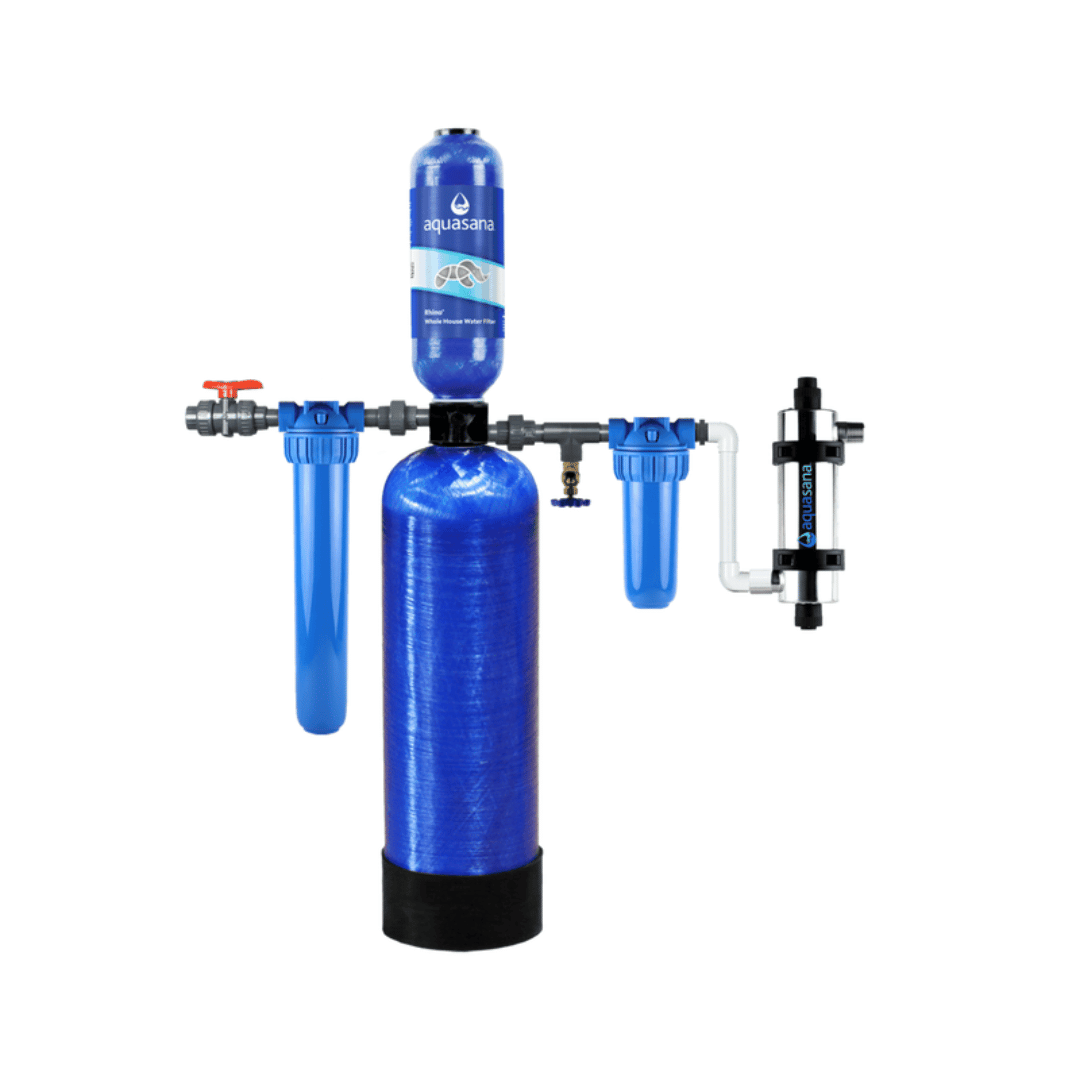
Dealing with iron in well water can be frustrating, but the right solution starts with understanding exactly what’s in your water. Systems like the Aquasana Rhino® Well Water with UV Filter are designed specifically for well water and can help improve the quality throughout your home.
If you’re noticing signs of iron or aren’t sure what solution is right for your home, Aquasana’s Water Experts can help you find the best setup for your specific water conditions.
WHOLE HOUSE WATER FILTER
Rhino® Well Water with UV
Whole house filtration system protects from bacteria, viruses, and other contaminants commonly found in well water. Lasts for 5 years or 500,000 gallons.