What are VOCs?
VOCs are a group of carbon-based chemicals that evaporate easily at room temperature. This high volatility is why many VOC-containing products have strong, recognizable odors, like fresh paint, gasoline, paint thinner, or certain cleaning supplies. While VOCs are often associated with air pollution, they can also contaminate drinking water. Some of the most common VOCs found in water include trihalomethanes (THMs), benzene, toluene, vinyl chloride, methyl tert-butyl ether (MTBE), and tetrachloroethylene (PCE).
VOCs can enter both surface water and groundwater through industrial activities, fuel leaks, chemical spills, and other sources. Because VOCs can pose health risks, the U.S. Environmental Protection Agency (EPA) regulates them in public drinking water under the Safe Drinking Water Act, setting limits to help protect public health.
Are VOCs harmful?
Whether VOCs are harmful depends on the specific compound, the concentration in your water, and how long you're exposed to it. Short-term exposure to elevated levels of certain VOCs may cause symptoms like eye, nose, or throat irritation, headaches, dizziness, and nausea. Over time, prolonged exposure to some VOCs has been linked to more serious health effects, including damage to the liver, kidneys, and nervous system.
Not all VOCs pose the same level of risk. The potential health effects depend on the specific VOC, its concentration, and the duration of exposure. Some VOCs are regulated by the EPA because long-term exposure has been associated with adverse health outcomes.
How do VOCs get into your water?
VOCs can enter drinking water in several ways, but one of the most common is through pollution. Industrial facilities, manufacturing plants, chemical spills, leaking underground fuel storage tanks, and improper disposal of hazardous waste can all release VOCs into the environment. From there, the chemicals can seep into groundwater or wash into rivers, lakes, and reservoirs that supply drinking water.
Not all VOCs come from pollution, though. Some form during the water treatment process itself. For example, when chlorine is used to disinfect drinking water, it can react with naturally occurring organic matter and create compounds called trihalomethanes (THMs), one of the most common VOC groups found in treated water. Agricultural and urban runoff can also carry VOC-containing chemicals into nearby waterways, where they may eventually make their way into your tap water.

Common VOCs found in water
While hundreds of VOCs exist, a small number are responsible for most drinking water contamination concerns.
- Trihalomethanes: The most common VOCs found in treated drinking water, THMs form as byproducts when chlorine reacts with naturally occurring organic matter during disinfection.
- Benzene: A chemical found in gasoline and petroleum products, benzene can enter water through fuel leaks and spills and is a known carcinogen.
- PCE: Also called tetrachloroethylene, PCE is commonly used in dry cleaning and metal degreasing and can contaminate groundwater through spills or improper disposal.
- MTBE: This gasoline additive can leak into groundwater from underground storage tanks, pipelines, or fuel spills.
- Vinyl chloride: Used to manufacture PVC plastic, vinyl chloride is associated with serious health risks and can also form when other industrial solvents break down in groundwater.
- Toluene: Commonly found in gasoline, paints, adhesives, and solvents, toluene can contaminate water through industrial discharges, fuel leaks, and chemical spills.
How to check if VOCs are in your water
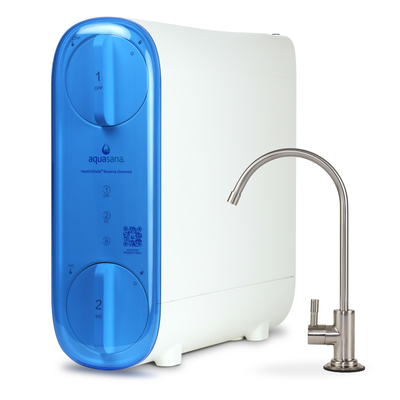
Because VOCs are typically colorless, odorless, and tasteless when they’re in water, you can't detect them on your own. If you have city water, review your utility's annual Consumer Confidence Report (CCR) to see whether regulated VOCs have been detected. If you have a private well or simply want additional peace of mind, collect a water sample and send it to a certified laboratory using a mail-in kit or professional test. You can also use Aquasana's water testing resources to help identify contaminants and choose the right filtration solution.
How to remove VOCs from your water
The good news is that many VOCs can be reduced with the right water filtration system. Because different filtration technologies target different contaminants, it's important to choose a system that has been tested and certified to reduce the specific VOCs you're concerned about.
Activated carbon and catalytic carbon filtration technologies are commonly used for VOC removal because they can absorb many organic contaminants from water. However, performance varies by contaminant, which is why it’s important to choose a system that has been independently tested and certified for the specific VOCs you want to reduce.
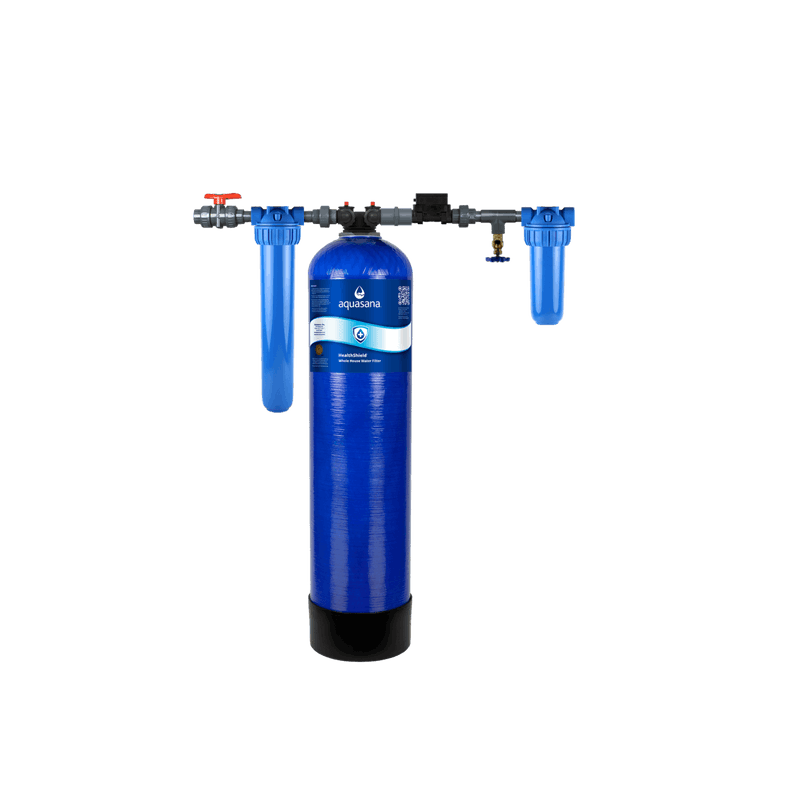
Aquasana's HealthShield™ is a whole house water filter that’s WQA tested and certified to NSF/ANSI Standards 53, 401, and CSA B483.1 to reduce 99.8% of VOCs among other contaminants like select PFAS, pharmaceuticals, and chloramines. Connected at the main water line in your home, the system provides filtered water throughout your house to provide maximum protection from every faucet.
WHOLE HOUSE
HealthShield™
The first whole home filtration system to reduce up to 99.9% of 61 contaminants including PFAS*, VOCs, pharmaceuticals, chlorine, and chloramines for healthier water from every tap.