How do refrigerator filters work?
Most refrigerator water filters use activated carbon to reduce chlorine, taste, and odor — improving the flavor and smell of your tap water. Some fridge filters also feature mechanical filters to catch larger particles like dirt, sand, and rust.
They’re a convenient option built right into your appliance and require minimal maintenance.
However, their filtration capabilities are limited. While they can handle basic impurities, they often don’t remove more harmful contaminants like PFAS, pharmaceuticals, pesticides, or microplastics. So while your water may taste clean, it might not be as safe as it seems.
What do refrigerator filters remove?
Refrigerator filters are designed to reduce basic impurities like chlorine, which affects the taste and odor of tap water. However, their filtration is limited and often doesn’t address more harmful contaminants.
Contaminants refrigerator filters typically don’t remove:
Lead
- PFAS (“forever chemicals”)
- Pesticides and herbicides
- Pharmaceuticals
- Chloramines
- Microplastics
- Bacteria and viruses

Pros of refrigerator filters
Refrigerator filters offer several advantages that make them appealing:
Convenience
Refrigerator filters are built right into your appliance, making filtered water easy to access without installing a separate system. You get cold, filtered water and ice with the push of a button and no extra setup required.
Low maintenance
Most fridge filters are simple to replace and don’t require tools or plumbing knowledge. For many households, swapping a filter every few months is a quick and manageable task.
Improves taste and odor
Refrigerator filters can help reduce chlorine and other chemicals that cause unpleasant tastes or odors in tap water, making water more enjoyable to drink and cook with.
Cons of refrigerator filters
Despite advantages, refrigerator filters also come with some concerns:
Limited contaminant removal
Fridge filters are designed to handle basic impurities like chlorine and sediment, but they typically don’t remove more harmful contaminants such as lead, PFAS, pharmaceuticals, or pesticides. If your water contains these contaminants, a refrigerator filter may not provide the protection you need.
Inconsistent performance
Fridge filter quality and effectiveness vary widely between brands and models. Some may perform better than others, but many don’t publish detailed testing data, leaving consumers in the dark about what’s actually being filtered out.
No protection during emergencies
If your water supply becomes compromised due to a boil advisory or contamination event, a fridge filter won’t offer the level of protection needed. They aren’t designed to remove bacteria, viruses, or other biological threats. Additionally, since refrigerator filters require electricity — an emergency where you lose power means you won’t be able to use the fridge filter at all.
 (2).png)
Potential for bacteria buildup
If filters aren't replaced on time or sit unused for long periods, they can become a breeding ground for bacteria. This can actually degrade your water quality over time, rather than improving it.
How do refrigerator filters compare to other filtration systems?
Whole house filters
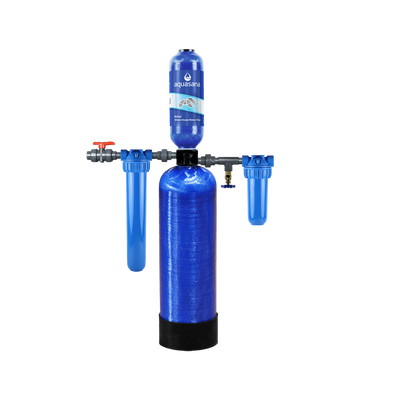
Whole house water filters treat water at the point it enters your home, providing filtered water to every faucet, shower, and appliance. They remove sediment, chlorine, and other contaminants that can affect skin, hair, plumbing, and appliances — something refrigerator filters can’t do.
Under sink filters
Installed directly beneath your kitchen sink, under sink systems filter water at the tap. Under sink filters offer stronger contaminant reduction than fridge filters, targeting pollutants such as lead, PFAS, and pesticides.
Reverse osmosis systems
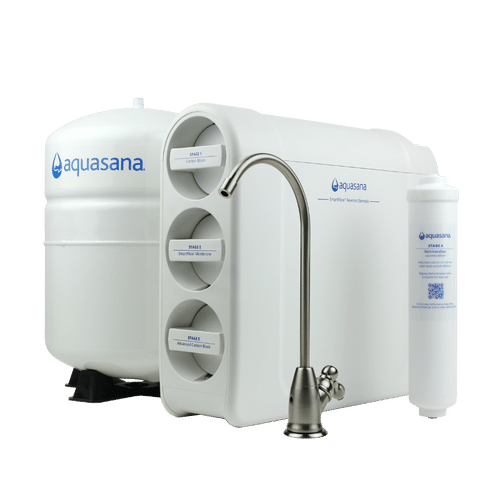
Reverse osmosis filters use a multi-stage process to remove up to 99% of contaminants, including lead, fluoride, and arsenic among others. They provide a much higher level of filtration than refrigerator filters, making them ideal for households with serious water quality concerns.
Countertop filters
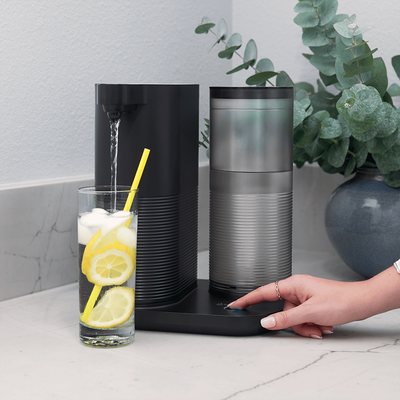
Compact and easy to install, countertop filters sit on your counter and dispense water with the push of a button. While more powerful than most refrigerator filters, they vary in effectiveness depending on the type and brand. They’re a good step up in protection without permanent installation.

When is it worth upgrading to a higher-end filter?
If your primary concern is better-tasting water, a refrigerator filter might be enough. But if you’re looking for more complete protection, especially against harmful contaminants — upgrading to a higher-end system might be necessary.
You should consider a more advanced filtration system if:
- You’re concerned about specific contaminants like lead, PFAS, pesticides, or pharmaceuticals.
- You live in an area with poor water quality or get your water from a private well.
- You want filtered water throughout your home, not just from the fridge.
- You have infants, young children, or immunocompromised family members who may be more sensitive to contaminants.
- You want peace of mind, backed by third-party testing and reliable performance.
Higher-end systems like under sink and reverse osmosis filters can deliver cleaner, safer water and are often a better long-term investment in your health and home.
If you’re looking for more powerful protection, Aquasana’s under sink filters remove up to 99% of 78 harmful contaminants including lead, PFAS, and pharmaceuticals. For even more protection, our SmartFlow® Reverse Osmosis system removes up to 99.99% of 90 contaminants. With advanced filtration and certifications, these systems offer the kind of peace of mind refrigerator filters simply can't match.
UNDER SINK WATER FILTER
SmartFlow® Reverse Osmosis
High-efficiency reverse osmosis system removes up to 99.99% of 90 contaminants, including fluoride, arsenic, chlorine, and lead.