Is it normal for water filters to reduce flow rate?
Yes, a small decrease in flow rate is normal after installing a water filter. Any filtration system creates resistance by design, since water must pass through filter media before reaching your fixtures. In many cases, this change is barely noticeable, especially when the system is properly sized for your home and installed correctly. With the right filter and setup, it’s possible to maintain nearly the same flow rate you had before installation. However, if you experience a significant or sudden drop in water pressure, it points to an issue with the system itself or how it was installed.
Causes of a large flow rate decrease after installing a water filter
If you’re experiencing a noticeable drop in water pressure after installing a water filter, it’s often due to one of the following factors.
1. System limitations
If your water filter isn’t built to keep up with your home’s water usage, you may notice a noticeable drop in flow rate, especially when more than one faucet or appliance is running. Every filtration system has a limit to how much water it can handle at once, and pushing beyond that limit can reduce water pressure.
It’s also helpful to understand the difference between the rated flow rate and the peak flow rate. The rated flow rate is the amount of water a system is tested to deliver consistently while still filtering effectively. Peak flow rate refers to the maximum amount of water the system can pass under ideal conditions, which don’t always reflect everyday use.
When comparing water filters, the rated flow rate is the more reliable number to focus on. It represents what the system can consistently support in everyday conditions, while peak flow rate may only be achievable under optimal circumstances.
2. Installation errors
An incorrect installation can also lead to lower water pressure after a water filter is installed. Poorly sized fittings can narrow the water pathway, creating extra resistance as water moves through the system. Trapped air inside the filter housing or plumbing can disrupt steady water flow, leading to inconsistent pressure at fixtures. In addition, some filter stages are designed to work in a specific direction, and installing them incorrectly can limit how efficiently water passes through. Together, these issues can reduce the flow rate even if the system itself is properly sized for your home.
3. Clogging
In some cases, installing a new water filter can loosen sediment or rust that has built up inside older pipes. As water flow changes during installation, these particles can break free and collect in the filter or move farther downstream, temporarily restricting water flow. This type of clogging is usually short-term and may improve as the system flushes out trapped debris or after the filter has had time to capture the loose material.
What should you do if your flow rate is low?
If you notice a larger-than-expected drop in water pressure after installing a water filter, start by reviewing the installation. Filters and housings are designed for water to flow in a specific direction, and small issues like misaligned components or undersized fittings can restrict flow. Making sure everything is installed correctly and securely can often resolve pressure changes without further adjustments.
It’s also normal for water pressure to dip temporarily as the system flushes after installation. Changes in water flow can loosen sediment or rust inside older pipes, which may briefly collect in the filter or plumbing. Running water for several minutes can help clear trapped air and debris, allowing pressure to stabilize as the system settles in.
If low flow continues, it may be worth comparing the system’s rated flow rate to how water is used in your home. Running multiple fixtures at once can exceed the capacity of smaller systems, leading to pressure drops at the tap. In these cases, choosing a system designed to support higher flow rates can help maintain consistent pressure while still delivering effective filtration.

What flow rate do you need?
When choosing a water filter, it’s important to select a system with a flow rate that matches how water is typically used in your home. When comparing options, focus on the rated flow rate, not the peak flow rate. The rated flow rate reflects how much water the system is designed to deliver consistently while maintaining filtration performance, making it the most reliable measure for everyday use.
For most households, water use typically falls around 2 to 3 gallons per minute (GPM) the majority of the time, which makes this a good baseline when evaluating systems. Larger homes or households that regularly run multiple fixtures at once may benefit from a higher rated flow rate to help prevent pressure drops. Your flow rate needs can also influence the type of system you choose, as whole house filters are designed to support higher flow rates across multiple fixtures, while under sink and shower filters are built for more targeted use.
Shop Aquasana’s high flow rate water filters
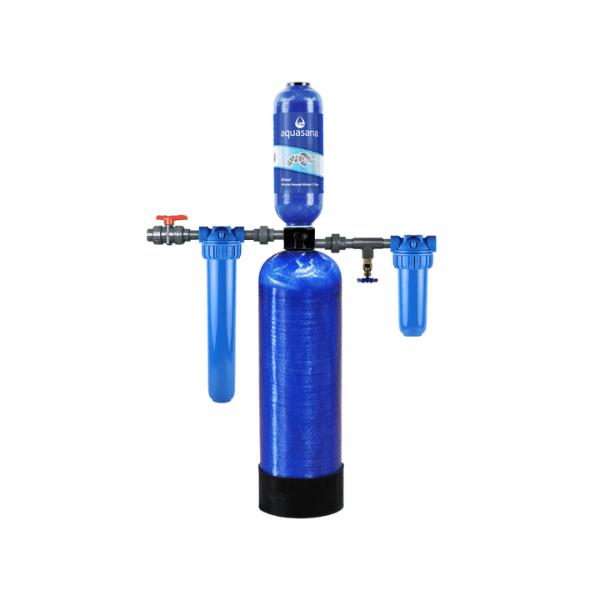
If you’re concerned about maintaining strong water pressure while filtering your water, choosing the right system makes all the difference. Aquasana offers several under sink water filters designed to deliver a high flow rate of up to 0.72 GPM, providing effective filtration without sacrificing everyday performance at the tap. For households with higher water demands or multiple fixtures in use at once, Aquasana’s whole house water filters offer even greater capacity, with rated flow rates of up to 14 GPM for consistent pressure throughout the home.
Whether you’re looking to improve water quality at a single sink or protect every tap in your house, Aquasana has options designed to balance filtration performance and flow rate. Shop our high flow rate water filters to find a system that fits your home’s needs and helps ensure clean, great-tasting water without unnecessary pressure drops.
WHOLE HOUSE WATER FILTER
Rhino® Max Flow
Maximum-flow whole house water filtration system reduces 97% of chlorine at 2X the flow rate. Lasts 1,000,000 gallons or 10 years.