Low water pressure in the shower can be caused by many things, from minor buildup inside a fixture to larger problems within your home’s plumbing system. In some cases, the cause is isolated to the shower itself, while other times it reflects a broader issue throughout the home. Here are some of the most common causes of low water pressure in the shower:
- Clogged shower head from mineral buildup
- Partially closed shut-off valves or main water valve
- Faulty or misadjusted water pressure regulator
- Aging, corroded, or clogged pipes
- Hidden plumbing leaks that reduce water pressure
- Water heater issues, which reduce hot water flow
- Water supply pressure limitations
- Low-quality or clogged water filters restricting flow
Can hard water make shower pressure worse?
Hard water plays a significant role in reducing shower water pressure over time. As hard water flows through your plumbing, it leaves behind mineral deposits like calcium and magnesium, which gradually build up inside shower heads, your water heater, and even the pipes themselves. This buildup narrows the pathways that water travels through, restricting flow and making your shower feel weaker.
Over time, this mineral accumulation can become more severe, reducing efficiency across multiple fixtures, not just the shower. Combating hard water with proper maintenance and a system helps increase your shower pressure and prevents the other issues associated with hard water.
How to tell if the problem is one shower or the entire house
Before replacing parts or calling a plumber, a few quick checks can help narrow down where the problem is coming from. Identifying whether the issue is isolated to a single shower or affecting multiple fixtures will help point you toward the right solution.
Is the pressure low in just one shower?
If the pressure is low in just one shower, the issue is likely isolated to that fixture. Common causes include a clogged shower head, a worn or partially blocked valve, or a localized plumbing restriction behind the wall.
Is the whole house experiencing low pressure?
If multiple fixtures throughout your home have low pressure, the issue is likely affecting your entire plumbing system. This can point to a problem with the water pressure regulator, aging or clogged pipes, or even limitations from your water supply.
Is only the hot water pressure low?
If only the hot water pressure is low, the issue may be tied to your water heater rather than the shower itself. Sediment buildup, valve restrictions, or internal components within the heater can limit hot water flow to your fixtures.
6 steps to increase water pressure in your shower
The right way to increase water pressure in your shower depends on what’s causing the drop in the first place. Some solutions are quick DIY fixes you can handle in minutes, while others may involve deeper plumbing issues that need repair or professional support. Start by trying simple fixes before moving on to more complex solutions.
1. Clean or replace the shower head
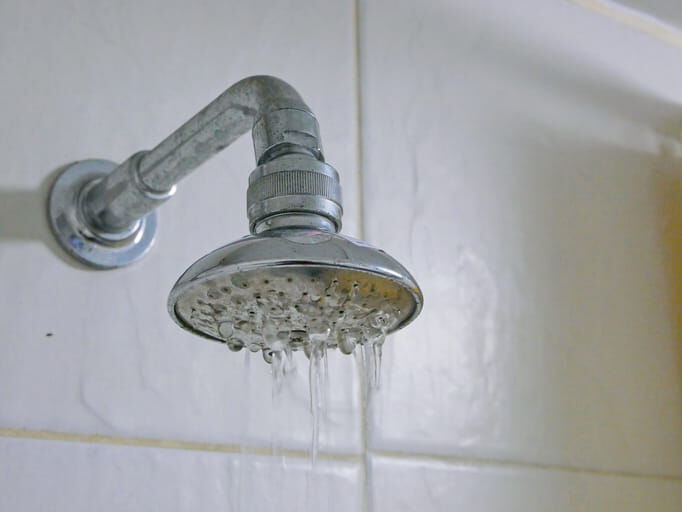
Over time, mineral buildup from hard water can clog the small nozzles in your shower head, restricting water flow and reducing pressure. This is one of the most common and easiest issues to fix. Soaking the shower head in a vinegar solution or gently scrubbing away buildup can help restore flow. If the shower head is older or underperforming, replacing it with a new head may noticeably improve your shower water pressure.
2. Make sure valves are fully open
Partially closed shut-off valves or a main water valve that isn’t fully open can restrict water flow to your bathroom fixtures and reduce the water pressure while showering. It’s worth checking that all valves supplying the shower are completely open, especially after recent plumbing work or maintenance. You may also want to look at the mixing valve, which controls the balance of hot and cold water, as buildup or misadjustment there can affect both temperature and pressure. Making sure these components are fully open and functioning properly can help restore stronger flow.
3. Check the water heater
If only hot water pressure is low, it points to an issue with your water heater rather than the shower itself. Sediment buildup inside the tank or worn internal components can restrict hot water flow. In some cases, flushing the tank can help improve performance. If the problem persists, it may be a sign that the water heater needs maintenance or repair.
4. Inspect plumbing for clogs, corrosion, and leaks
Clogs, corrosion, and hidden leaks within your plumbing system can reduce water pressure over time. Mineral buildup inside pipes narrows the interior, restricting how much water can flow through. If you suspect a deeper plumbing issue, a professional inspection can help identify and address the root cause.
5. Check the water pressure regulator
A water pressure regulator is a valve that controls the pressure of water entering your home from the main supply line. It’s typically located near where the main water line enters the house, often in a basement, garage, or utility area. Most homes are set between about 40 and 60 psi for consistent, comfortable water pressure. If the regulator is misadjusted or failing, it can lead to noticeably low pressure throughout your fixtures.
6. Upgrade to a better water filter
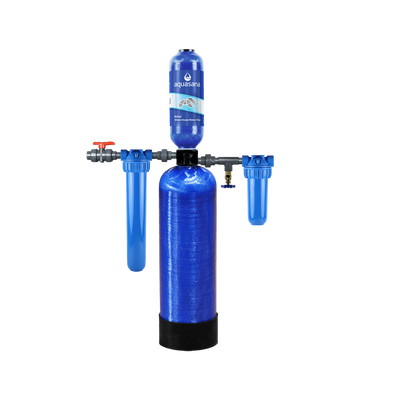
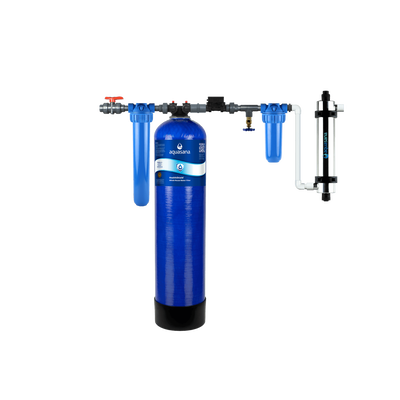
Some water filters can restrict flow if they’re poorly designed, clogged, or past their recommended replacement schedule. As filters collect contaminants, they can gradually slow down water flow and reduce pressure in your shower. Upgrading to a better quality whole house water filter or shower filter can help maintain strong pressure, especially if the system is designed to maximize flow rate like our Rhino® Max Flow.
Shop Aquasana solutions for a better shower experience
There are several causes of low water pressure in the shower, from buildup in a shower head to problems within your home’s plumbing. By identifying the root cause and working through the right fixes, you can increase water pressure in your shower and throughout your home.
If you’re looking to improve your shower experience without sacrificing performance, Aquasana shower filters are designed to maintain strong flow while reducing chlorine. And if hard water is contributing to buildup in your fixtures and pipes, our water softeners can help address the issue at the source.
SHOWER FILTER
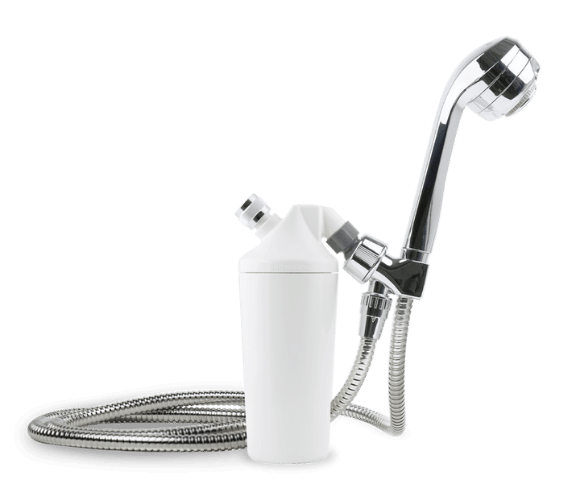
Shower Filter with Handheld Wand - Chrome
Enjoy healthier hair and skin while removing chlorine. Includes upgraded chrome massaging handheld wand.