How carbon water filters work
Carbon filters might seem simple, but there’s some cool chemistry behind how they improve your water quality. Carbon filters use a process called adsorption, not to be confused with absorption. Adsorption is when contaminants stick to the surface of the carbon, while absorption is when a substance is drawn in, like water soaking into a sponge. Because carbon has a porous structure, it offers tons of surface area for trapping unwanted substances like chlorine, odors, and certain chemicals.
That means every drop of water gets scrubbed clean as it passes through, removing chemicals you can’t see but might otherwise taste or smell. Whether you’re filling a glass to drink or rinsing veggies at the sink, understanding how this process works helps you feel more confident about what you're putting in your body.
Not all carbon filters are created equal, though. There are a few different types, each with its own strengths:
- Granular Activated Carbon (GAC): GAC filters contain loose carbon granules that allow water to flow through quickly. They're great at improving taste and removing chlorine, but because of the shorter contact time, they might not be as effective at filtering out more stubborn contaminants.
- Powdered Activated Carbon (PAC): PAC is made of finely ground carbon powder and is typically used in combination with other filter types or media. Its fine texture means it can adsorb contaminants efficiently, though it’s usually part of a larger filtration system rather than a standalone filter.
- Catalytic Carbon: This is a specially treated form of activated carbon that targets harder-to-remove contaminants, like chloramines (a common chlorine alternative used in municipal water). Catalytic carbon is especially useful in areas where other carbon filters fall short.
- Carbon Block: Carbon block filters compress carbon powder into a solid block. This design forces water through a tighter structure, increasing contact time and filtration efficiency. As a result, carbon block filters can remove smaller particles and a wider range of contaminants while still improving taste and odor.
What carbon filters can remove from water
First, we should specify that when it comes to “removing” contaminants, the more accurate term is “reducing” — as no filter can remove 100% of any contaminant. You should be cautious of any filter that claims to remove a contaminant completely, but carbon filters can remove a large percentage of common contaminants — reducing their presence significantly.
Here’s a closer look at what they’re especially good at removing:
- Chlorine and Chloramines: Chlorine and chloramines are commonly added to municipal water supplies to kill bacteria, but it can leave behind a strong taste and smell. Carbon filters are highly effective at removing chlorine and chloramines, an even more persistent disinfectant, especially when using catalytic carbon.
- Lead and Heavy Metals: While carbon filters aren’t always the first line of defense against heavy metals, some carbon block filters are specially designed to reduce lead, mercury, and other metals. This is especially important in homes with aging plumbing or areas with known contamination. Long-term exposure to lead, even in small amounts, can affect everything from brain development in children to cardiovascular health in adults.

- Volatile Organic Compounds (VOCs): VOCs are chemicals released from solvents, gasoline, and industrial processes that can end up in groundwater. Carbon filters are highly effective at trapping many VOCs, thereby helping to protect against long-term exposure to these harmful compounds.
- PFAS and Pharmaceuticals: Some advanced carbon filters, particularly carbon block and catalytic carbon, can reduce certain PFAS (also known as “forever chemicals”) and trace pharmaceuticals that may be present in tap water. Not all carbon filters remove these, so it’s important to check performance data. PFAS compounds have been linked to a range of health concerns, including hormone disruption and immune system effects.
- Pesticides and Herbicides: Runoff from farms and lawns can introduce pesticides and herbicides into the water supply. Carbon filtration is effective at reducing many of these chemicals, especially those that are organic in nature.
- Microplastics: Microplastics are tiny plastic particles that can make their way into drinking water. While carbon filters can help reduce them, especially when tightly packed like in carbon block filters, their effectiveness depends on the filter’s micron rating.
- Taste and Odor Impurities: One of the most noticeable improvements with carbon filters is the reduction of funky tastes and smells. By removing chlorine, sulfur compounds, and other organics, carbon filters help your water taste and smell better.
How to see what contaminants a carbon filter removes
Not all carbon filters are created equal — and thankfully, you don’t have to guess what a filter can handle. The best way to know exactly what a system removes is by checking its Performance Data Sheet. This document breaks down which contaminants the filter has been tested against and which ones it’s certified to reduce.
Look for filters that have been independently tested and certified to NSF/ANSI Standards by trusted third parties like the Water Quality Association (WQA) or IAPMO. These seals mean the filter’s performance claims are backed by rigorous testing. For example, the Claryum® Direct Connect system is certified to remove up to 99.9% of 78 contaminants — everything from chlorine and lead to pharmaceuticals and pesticides. You can view the full list on the system’s Performance Data Sheet.
It’s also helpful to look at what specific NSF/ANSI Standards a filter meets. For example, certifications under Standard 53 focus on health-related contaminants, while Standard 42 targets taste and odor. Certification to multiple NSF/ANSI Standards indicates the carbon filter removes a wide variety of contaminants.
Choose the right carbon filter for your home
At the end of the day, not all carbon filters work the same, and some go above and beyond by combining multiple filtration technologies. Systems that layer different types of carbon, like activated carbon and catalytic carbon, can tackle a wider range of contaminants more effectively.
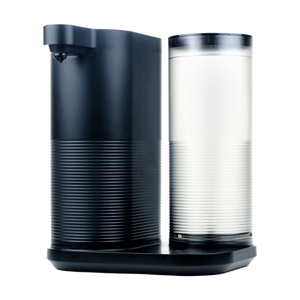
Aquasana’s Claryum® technology, used in under sink filters like our Claryum® 3-Stage Max Flow or countertop filters like our Clean Water Machine, combines activated and catalytic carbon with ion exchange and sub-micron filtration for more comprehensive protection and healthy, delicious water.
These filters remove up to 15x more contaminants than the leading pitcher while still keeping the healthy minerals your body needs. Whether you're looking to upgrade from a basic filter or want more peace of mind at the tap, choosing the right carbon filter can make all the difference.

COUNTERTOP WATER FILTER
Clean Water Machine
Claryum® technology filters 78 contaminants including lead and PFAS at the push of a button. No installation.