Common weird water tastes and what causes them
The way your water tastes can sometimes offer clues about what may be causing the issue. A metallic taste, for example, may point to minerals or plumbing-related issues, while earthy or musty flavors can be linked to seasonal changes in the water supply. That said, taste alone can’t confirm exactly what’s in your water, so testing may still be needed if the problem is persistent or affects multiple taps throughout your home.
Chlorine or chemical taste
If your water tastes a little like a swimming pool, chlorine is often the reason. Chlorine is commonly used in municipal water systems to help disinfect drinking water, so a faint chemical taste can occur from city water. This taste may become more noticeable after local maintenance work, seasonal treatment adjustments, or in homes located closer to the water treatment source.
Metallic taste
Metallic-tasting water is often linked to minerals or metals such as iron, manganese, zinc, or copper. In some cases, these minerals occur naturally in the water supply, while in others, the taste may come from aging household plumbing or pipe corrosion. If the metallic taste is strongest when you haven’t used your water in a while, it can indicate the cause is from water sitting in your pipes and accumulating trace amounts of metal.
Rotten egg taste
A rotten egg or sulfur smell is usually linked to hydrogen sulfide gas, which is more common in well water but can occasionally affect other water sources, too. If the smell only shows up when using hot water, your water heater may be contributing to the problem rather than the incoming water itself.
Earthy or musty taste
If your water tastes earthy, musty, or a little like dirt, algae and organic matter in the source water may be the cause. These tastes can become more noticeable during seasonal changes, especially in warmer months when algae activity tends to increase in lakes and reservoirs.
.png)
Salty taste
Salty-tasting water is commonly caused by high levels of chloride compounds or sulfate ions in the water supply. In some cases, changes in local water conditions, treatment processes, or nearby environmental factors may temporarily affect how the water tastes.
Bitter or sour taste
If your water tastes bitter, tart, or sour, dissolved solids or corrosion may be affecting the flavor. Water with a more acidic composition can sometimes react with household plumbing, which may introduce corrosion-related compounds into the water and create an unpleasant taste.
How to tell where the weird taste is coming from
Sometimes the issue isn’t actually the water itself. A weird taste can also come from a faucet aerator, sink drain, household plumbing, water heater, or even a recent change in local water conditions. If the taste only shows up at one tap, it indicates the problem is with that specific fixture or section of plumbing — which you may be able to fix by cleaning or replacing it. But if the taste is noticeable throughout the home, it points to an issue with your incoming water supply or the plumbing throughout your house, and the need for a filtration system.
How to fix weird-tasting water
The best way to fix weird-tasting water depends on what’s causing the problem in the first place. Instead of guessing, it’s better to match the solution to the specific taste, smell, or symptom you’re noticing.
- Chlorine or Chemical Taste: Use a filtration system designed to reduce chlorine and chloramines, which are linked to municipal water treatment.
- Metallic Taste: Flush the cold tap for a few moments, and if the taste persists, consider having your water tested, replacing your plumbing, or using a water filter certified to remove heavy metals.
- Rotten Egg Taste: If the taste or smell only happens with hot water, have your water heater inspected or serviced to address potential sulfur-related buildup.
- Earthy or Musty Taste: Use a filtration system designed to help reduce chloride, sulfate, and other salt-related compounds that can leave water tasting briny or mineral-heavy.
- Salty Taste: Use a filtration system designed to help reduce chloride, sulfate, and other salt-related compounds that can leave water tasting briny or mineral-heavy.
- Bitter or Sour Taste: Use a filter certified to reduce metals and other corrosion-related contaminants, and consider plumbing updates if acidic water is due to corrosion from older pipes.
Shop Aquasana solutions for better-tasting water
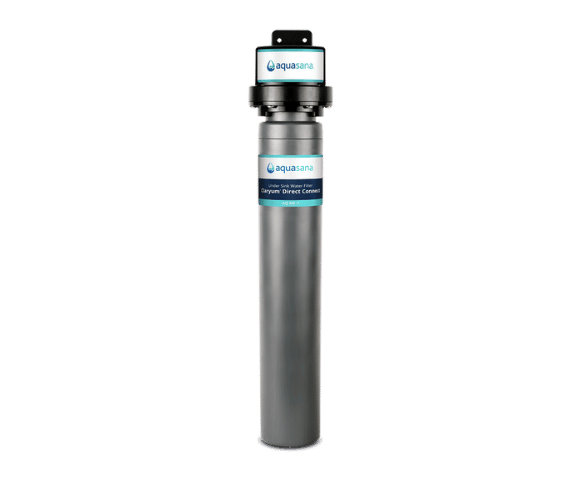
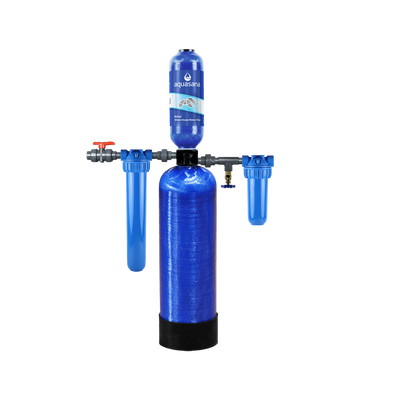
If your water tastes weird, the right solution depends on where the issue is coming from and how much of your home it affects. If the taste is limited to a single faucet, an under sink water filter can help reduce unwanted tastes at that specific tap. But if multiple faucets throughout your home are affected, a whole house water filtration system may be a better fit for broader water quality concerns. Shop Aquasana’s filtration systems to find a solution for cleaner, better-tasting water wherever you need it!
UNDER SINK WATER FILTER
Claryum® Direct Connect
Easy to install, fast-flowing filter connects directly to your existing faucet to reduce 78 contaminants.