The importance of filtering water
Even though water in the United States is treated and monitored, contaminants can make it through the treatment process or be picked up as tap water travels through pipes on the way to your home.
Water travels through miles of pipes, where it may pick up impurities like chlorine, lead, agricultural runoff, and even traces of pharmaceuticals. While most of these contaminants are found in small amounts, reducing them can support better health. Filtering your water at home gives you an added safeguard against harmful contaminants and can improve safety, taste, and odor.
How to filter water
There are many ways to filter water at home or on the go, and the right choice depends on the contaminants you want to reduce and how much water you use each day. From simple pitchers to advanced whole home systems, each option offers its own level of protection and convenience.
1. Activated carbon filters
Activated carbon filters are one of the most common and effective ways to improve the taste and quality of tap water. They work by attracting and trapping contaminants on the surface of highly porous carbon material, which has a large surface area. This process helps reduce chlorine, certain pesticides, herbicides, VOCs, and many chemicals that affect taste and odor.
While activated carbon filters remove many unwanted substances, they do not filter everything. They are not designed to remove dissolved solids like salts and minerals, and they are less effective against heavy metals such as lead unless paired with additional filtration technologies such as reverse osmosis. This is why activated carbon is often included as one stage in more comprehensive systems, where it is paired with other methods for more complete protection.
2. Reverse Osmosis (RO) filters
Reverse osmosis is one of the most effective filtration methods available for homes that want maximum protection against contaminants. RO systems push water through a semipermeable membrane that separates dissolved solids from clean water. This process helps reduce contaminants like lead, nitrates, fluoride, arsenic, PFAS, microplastics, and many other particles too small for standard filters to catch.
Even though RO filters are highly effective, they are not meant to work on their own. Most systems pair an RO membrane with additional filtration stages such as sediment and activated carbon filters to reduce a wider range of contaminants including those that RO can’t address. It can also remove beneficial minerals like calcium and magnesium during the filtration process, which is why some high-end RO systems include a remineralization stage for better taste and balanced pH.
Reverse osmosis is typically found in under sink systems designed for drinking and cooking water, rather than whole home setups. These systems are ideal for families who want clean, filtered water directly from the tap in their kitchen.
3. UV water filters
UV water filters use ultraviolet light to inactivate microorganisms such as bacteria, viruses, and protozoa by damaging their DNA so they cannot reproduce. This makes UV treatment especially helpful for homes using well water or for anyone concerned about microbial contaminants.
However, UV filtration does not remove chemical contaminants, heavy metals, PFAS, microplastics, or sediment. Because the light only targets microorganisms, UV systems are almost always paired with other filters that remove physical and chemical impurities first. You will typically find UV lights included in multi-stage systems for under sink or whole house setups, where they serve as the final step to ensure water is microbiologically safe after passing through carbon or sediment filters.
 (1).png)
4. Sediment filters
Sediment filters are designed to catch and remove larger particles and physical debris from water such as sand, rust flakes, silt, dirt, and other suspended solids. A sediment filter acts as a first line of defense by protecting downstream filtration components (like carbon or reverse osmosis membranes) from clogging or damage, which helps extend the system’s life and effectiveness.
However, sediment filters do not remove dissolved chemicals, heavy metals, bacteria, or other contaminants that are invisible at a microscopic or molecular level. That means chlorine, PFAS, microplastics, microbial cysts, and many other waterborne pollutants will remain in the water unless a second filtration method is used. That is why sediment filtration is almost always found as the first stage in larger systems such as under-sink or whole house setups.
5. Ceramic filters
Ceramic filters use a porous material with tiny openings that trap bacteria, protozoa, and visible particles as water passes through. They’re common in portable or gravity systems since they rely on simple physical filtration and don’t need electricity.
But ceramic filters have major limitations. They don’t reduce dissolved chemicals, heavy metals, PFAS, chlorine, or VOCs. Because they only target microbes and particles, the water may still contain pollutants that affect taste, odor, and long-term health, making ceramic filtration an incomplete solution.
6. Ion exchange systems (water softeners)
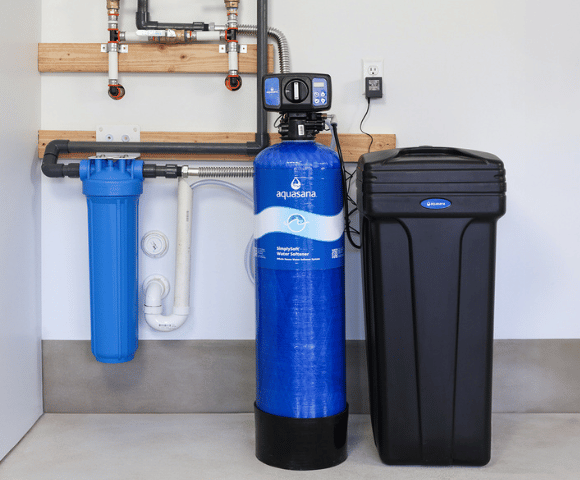
Ion exchange systems, commonly known as water softeners, are designed to reduce hardness minerals like calcium and magnesium that can cause scale buildup in pipes, appliances, and fixtures. These systems work by exchanging hardness minerals with sodium or potassium ions as water passes through a resin bed. The result is softer water that helps protect plumbing, improve appliance efficiency, and create better performance for soaps and detergents. This can be especially helpful in homes with very hard water, where scale buildup can lead to reduced appliance lifespan and pipe bursts.
However, ion exchange systems are not designed to filter out chemical contaminants or improve the taste or safety of drinking water. They do not reduce chlorine, PFAS, microplastics, lead, pesticides, or sediment. Their purpose is to address hard water, so they’re often paired with a whole house or under sink system for complete protection.
7. Water distillers
Water distillers heat water to create steam and then collect that steam as it condenses, separating water from other particles like minerals, some heavy metals, and certain dissolved solids.
Distillers are used to produce water for specialized uses like humidifiers, though the filtration method has limitations. It doesn’t remove chemicals with low boiling points, such as chlorine or many VOCs, and the lack of minerals leaves it with a flat taste that’s less desirable for drinking. As a result, it’s not considered a comprehensive filtration solution for most homes.
8. Chemical treatments
Chemical treatments use disinfecting agents like chlorine, iodine, or purification tablets to make water microbiologically safer. They’re common in emergencies, backpacking, or situations with limited access to clean water. These treatments can inactivate many harmful microorganisms, making them a quick, portable option when no filtration system is available.
However, chemical treatments don’t remove sediment, heavy metals, PFAS, VOCs, microplastics, pesticides, or other chemical contaminants. They may also leave a noticeable taste or odor, and some are less effective against certain microbial cysts. Because they disinfect rather than filter, the water may still contain pollutants that affect both health and overall water quality.
9. Boiling water
Boiling water is one of the simplest ways to improve safety by inactivating many microorganisms, including bacteria, viruses, and some protozoa, which makes it useful during emergencies, boil notices, or travel. However, boiling has clear limitations. It doesn’t remove chemical contaminants like chlorine, lead, PFAS, pesticides, VOCs, or microplastics, and as water evaporates, certain heavy metals can become more concentrated. While boiling can make water microbiologically safer in short-term situations, it does not improve taste or reduce chemical pollutants, so it isn’t a complete solution.
Shop Aquasana’s water filters
With so many ways to filter water, the most important step is choosing a system that fits your water quality and your day-to-day routine. Aquasana designs filtration solutions that make it easier to enjoy healthier, better-tasting water throughout your home, whether you want filtered water right at the kitchen sink or whole home protection.
If you’re ready to find a system that meets your needs, explore Aquasana’s full lineup of water filters, or contact one of our water experts today.
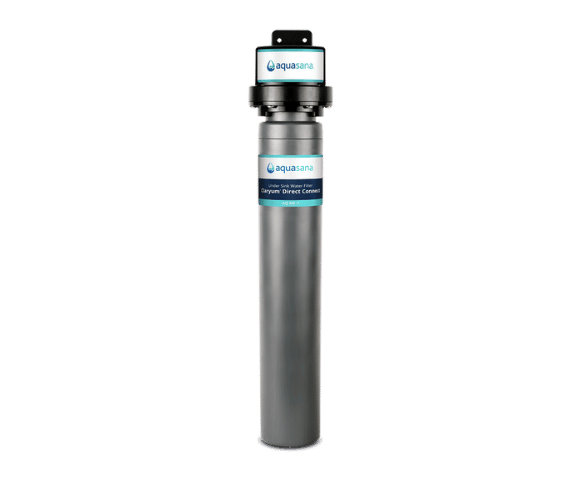
UNDER SINK WATER FILTER
Claryum® Direct Connect
Easy to install, fast-flowing filter connects directly to your existing faucet to reduce 78 contaminants.