Can you use filtered water for baby formula?
Yes, you can generally use filtered water for baby formula, as long as it comes from a safe water source and you prepare the formula according to the manufacturer’s instructions. The CDC notes that for most babies, safe tap water can be used to prepare powdered formula, whether you choose to filter it first or use it straight from the tap.
If you do choose filtered water, there are a few things to keep in mind. Filtration doesn’t automatically make water sterile, and different filters are designed to reduce different contaminants. That’s why it’s important to know which contaminants are in your tap water and what your particular filtration system is certified to reduce.
There are also times when a little extra care is needed, regardless of whether your water is filtered. The CDC recommends additional precautions when preparing powdered formula for babies younger than 2 months, babies born prematurely, and babies with weakened immune systems because they’re more vulnerable to certain germs.
Why water quality matters more for infants
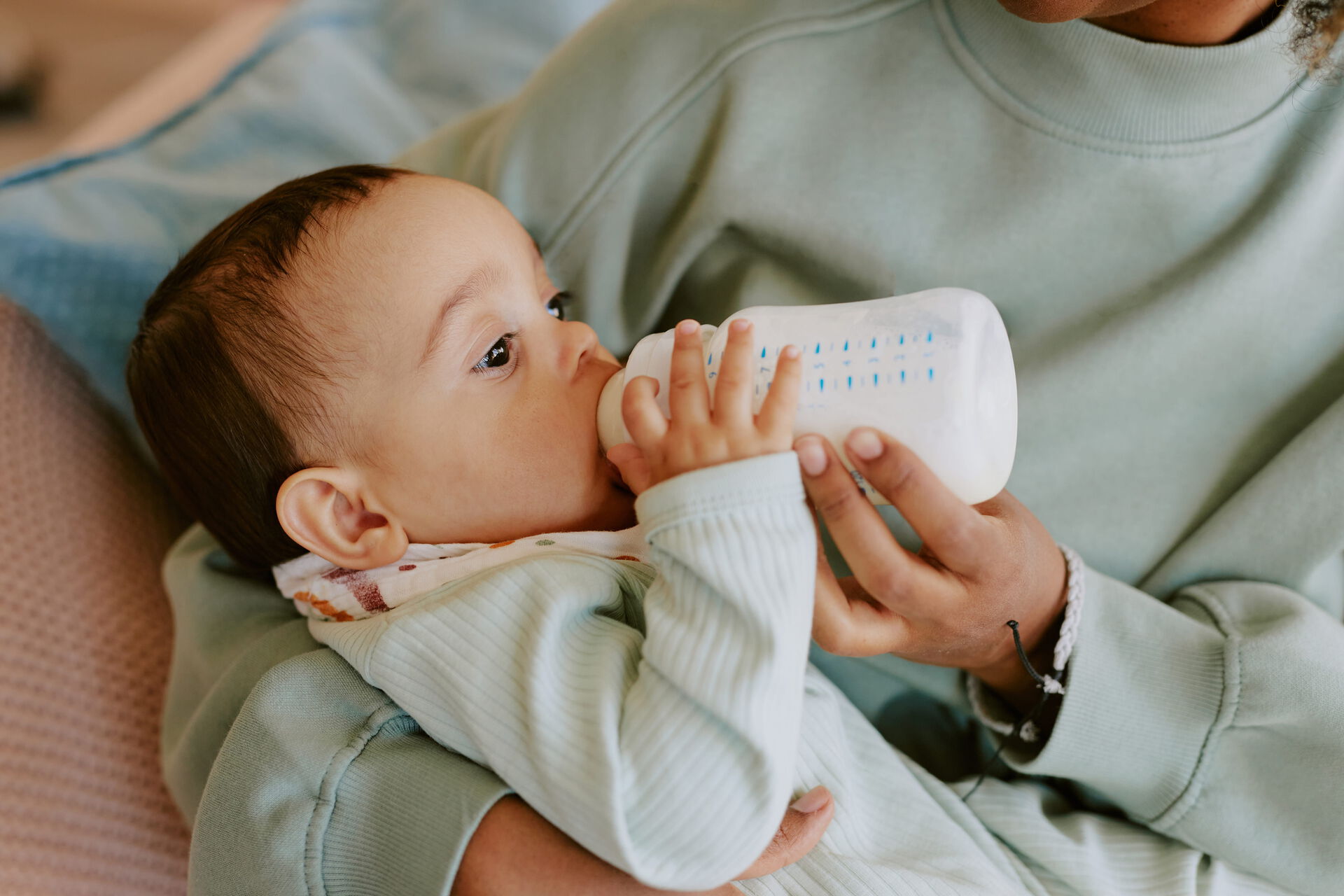
Because water is used to prepare powdered formula, contaminants in that water can become part of what a formula-fed baby consumes. Water makes up about 75% of infants’ bodies, compared to just 60% for adults, so infants can be particularly vulnerable to certain contaminants, which makes starting with a safe water source especially important.
Tap water contaminants that pose a risk for infants
Tap water can contain a variety of contaminants, and some are of particular concern during infancy and childhood.
- Lead: Lead can enter drinking water through service lines, pipes, faucets, and other plumbing materials. Infants and young children are especially vulnerable to its effects, and even low levels of exposure can affect the developing brain and nervous system. For infants who consume mostly mixed formula, the EPA estimates drinking water can account for 40% to 60% of their lead exposure.
- Microplastics: Microplastics have been detected in both tap and bottled drinking water, and while exposure effects are still being investigated, early research suggests they are harmful for infants not just in the water that babies drink, but even exposure through bottles and toys poses a risk.
- PFAS: PFAS, also called “forever chemicals,” make their way into drinking water and remain in the environment for long periods of time. Research has linked exposure to certain PFAS with potential health effects, including effects on childhood development and the immune system.
What kind of water can you use for formula?
From the kitchen tap to bottled water, you have a few options when it comes to mixing your baby’s formula. The right choice depends on the safety and quality of your water source, as well as any preparation instructions provided by your formula manufacturer or pediatrician.
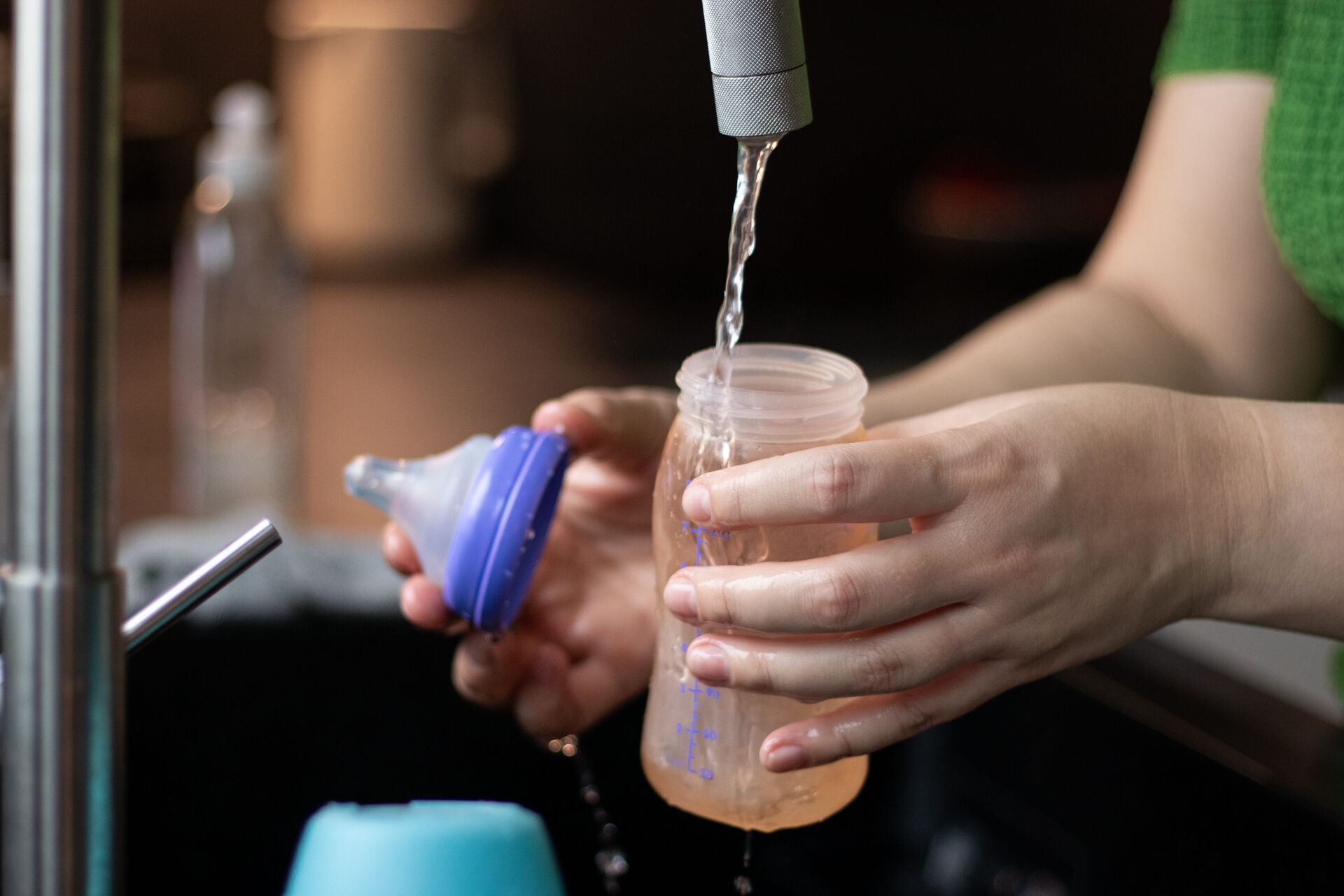
Filtered tap water
Filtered tap water is a safe and convenient choice for preparing baby formula. Just make sure your filter is properly maintained and certified to reduce the contaminants present in your tap water. While a filter isn’t always necessary, it adds a layer of protection in the water you’re using for your baby’s formula, and that extra precaution may be worthwhile given the importance of water quality for infants.
Unfiltered tap water
For most babies, tap water from a safe public water supply can be used to prepare powdered formula. If you have any questions about your home’s water, review your local water quality report to verify contaminants aren’t present at levels you’re uncomfortable with for your baby.
Bottled water
Bottled water can come in handy when your usual water source is temporarily unsafe, unavailable, or affected by certain emergencies. However, bottled water isn’t automatically safer or better for preparing formula than tap or filtered water. In fact, bottled water manufacturers aren’t required to disclose where the water came from, how it was treated, or what contaminants it still contains. While bottled water is generally safe to use for formula, the lack of clarity and cost make it more of an option that you can use in a pinch vs. a top choice.
Well water
If your home uses a private well, testing is especially important before relying on the water for formula. Unlike public water systems, private wells aren’t regulated under federal drinking water standards, so homeowners are responsible for testing their water to see what contaminants are present and then treating it themselves.
The EPA recommends testing private wells annually for total coliform bacteria, nitrates, total dissolved solids, and pH, as well as for contaminants of local concern. Households with young children may want to test more frequently.
Distilled water
Distilled water is generally safe to use for baby formula, as it involves boiling water into steam, then condensing it back which removes most contaminants. However, certain Volatile Organic Compounds (VOCs) and chlorine can recondense back into the water, so there is a small risk. Because distilled water contains very low levels of minerals, parents should follow their formula manufacturer’s directions and talk with their pediatrician if they have questions about using it regularly.
What water filters can and can’t remove
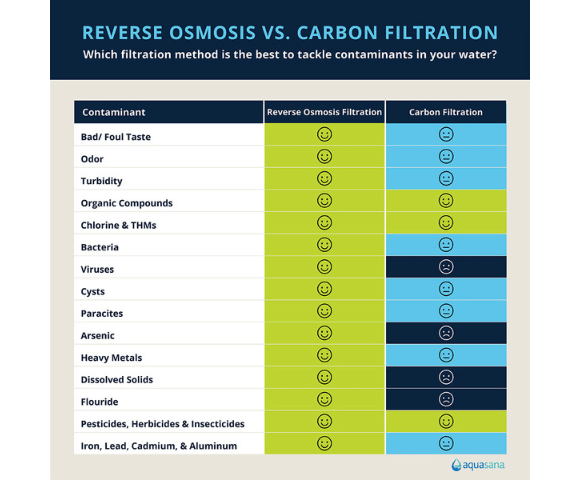
Not all water filters work the same way, so “filtered water” can mean different things depending on the system you use. Some filters are designed primarily to improve taste and odor, while others can reduce specific contaminants such as lead, PFAS, chlorine, pesticides, or other substances. What a filter removes depends on its filtration technology and the contaminants it’s been tested and certified to reduce.
It’s also important to know what your filter can’t do. A standard household water filter doesn’t necessarily remove every contaminant or eliminate harmful microorganisms, and filtration doesn’t automatically make water sterile.
Before using filtered tap water to prepare baby formula:
- Start with water from a safe source.
- Check which contaminants your filter is certified to reduce.
- Replace filters on schedule.
- Pay attention to local drinking water advisories.
- Follow the preparation instructions on your formula container.
When does filtered water need to be boiled for formula?
For most healthy babies, parents can prepare powdered formula with water from a safe source according to the instructions on the formula container.
Some babies need extra precautions because powdered infant formula itself isn’t sterile. For babies younger than 2 months, babies born prematurely, or babies with weakened immune systems, the CDC recommends additional steps to reduce the risk from germs such as Cronobacter. These include bringing water to a boil, allowing it to cool for about five minutes, and mixing the formula while the water is still hot before cooling to a safe feeding temperature. Boiling isn’t a substitute for starting with a safe water source. While boiling can kill bacteria, viruses, and parasites, it doesn’t remove chemicals and heavy metals — so contaminants can remain after boiling.
Filter your family’s water with Aquasana
While unfiltered water is generally safe to use in baby formula, filtered water adds an extra measure of protection, which is especially important for infants given their high water consumption and developing immune systems.
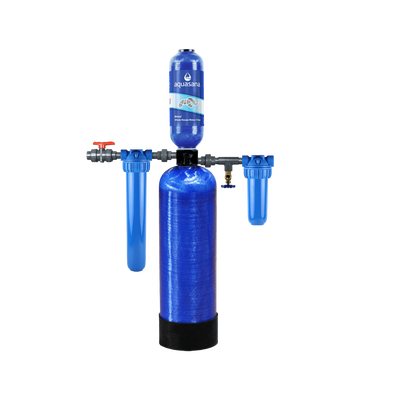
Aquasana offers water filtration systems designed to reduce specific contaminants that are found in household tap water, giving families an easy way to improve the water they use for drinking, cooking, and mixing formula. When choosing a system, review any of our system’s certifications and performance data sheets to see its effectiveness against contaminants in your water, and check with your pediatrician if you have questions about your baby’s individual needs.
REVERSE OSMOSIS
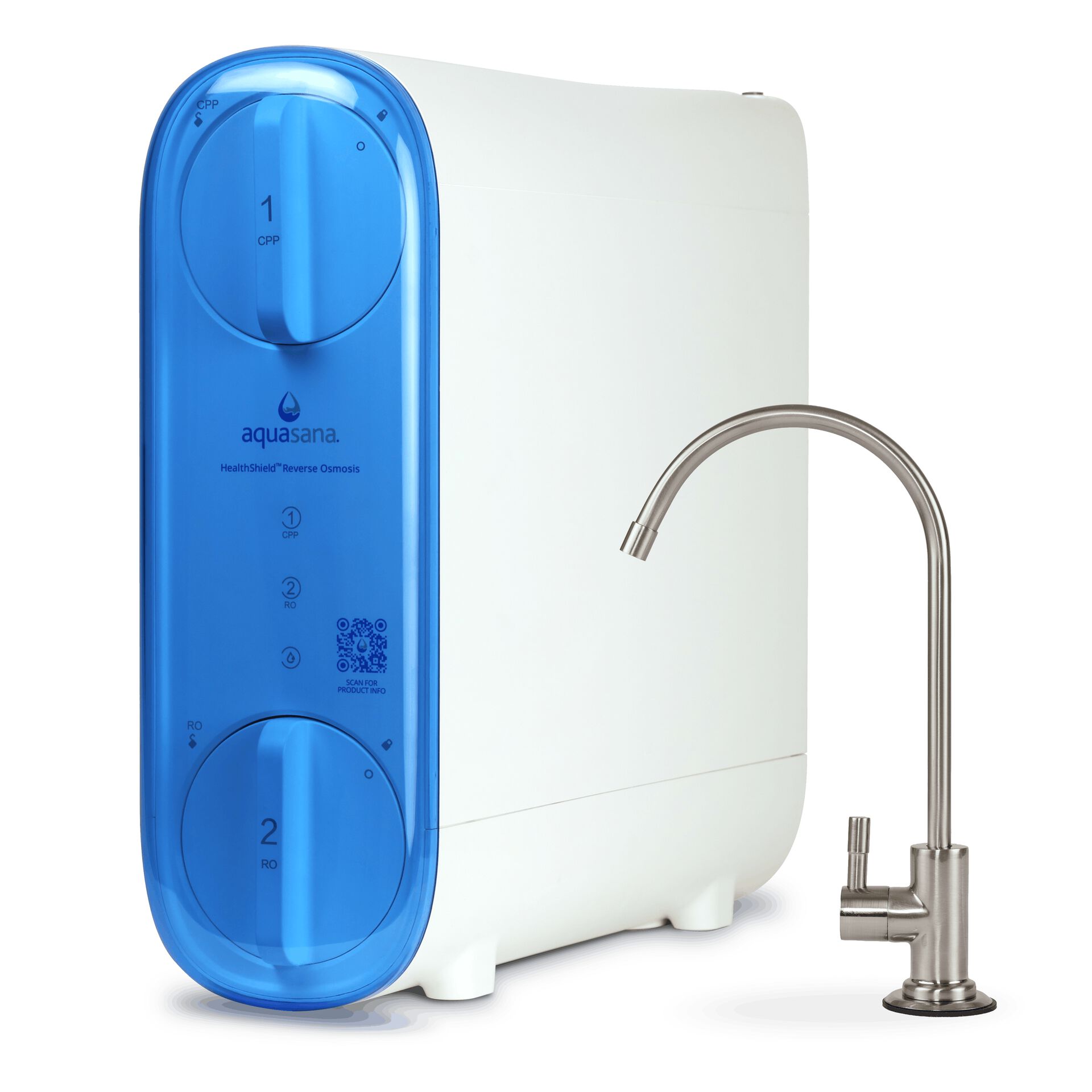
HealthShield™ Reverse Osmosis
The HealthShield™ Reverse Osmosis system delivers powerful, multi-stage filtration in a compact, tankless form — reducing up to 99.99% of select contaminants for cleaner, healthier water at your kitchen sink.