Common reasons water can make you nauseous
It’s not always obvious what’s behind nausea after drinking water. Looking at both how your body responds and what’s happening with your water quality can help you narrow it down.
1. You drank too much water or too quickly
Drinking a large amount of water all at once can leave your stomach feeling overly full, bloated, or even a little queasy. This is especially common if you’re trying to “catch up” on hydration after being thirsty.
It can also happen after exercise, particularly if you drink a lot of very cold water too quickly, which can lead to stomach cramps or discomfort. In most cases, it’s easier on your body to sip water gradually during activity instead of drinking a large amount all at once afterward.
2. Reflux, indigestion, or another stomach issue
If you’re already dealing with reflux, heartburn, or general stomach sensitivity, even water can feel uncomfortable going down. Drinking water increases the volume in your stomach, which can sometimes worsen that full or burning sensation.
You might notice nausea along with bloating, burping, or a sour taste, especially if your symptoms tend to flare after eating. In these cases, it’s less about the water itself and more about how your digestive system is responding.
3. A stomach bug or illness
If your nausea shows up alongside vomiting, diarrhea, stomach cramps, or a fever, it’s more likely that you’re dealing with an illness rather than the water itself. Infections like a stomach bug can make your digestive system more sensitive, so even small sips of water may trigger discomfort.
You may also notice a reduced appetite or trouble keeping fluids down, which is common when your body is trying to recover. In these situations, the nausea may be a symptom of the illness, not a sign that water is the problem.

4. Water quality issues
If your water tastes, smells, or looks different than usual, it can be enough to trigger nausea on its own. Even when it isn’t a direct health risk, an unusual metallic, chemical, or musty quality can make water harder to drink comfortably.
That said, noticeable changes aren’t something to ignore. Changes in taste, odor, or appearance can sometimes point to contaminants in your tap water. If your water suddenly feels off, it’s a good idea to review your water quality report or perform a home water test. Identifying potential contaminants can help determine whether water quality issues are causing nausea — and whether a water filtration system may help improve taste, smell, and overall drinking experience.
How to tell whether it’s your body or your water
Paying attention to patterns can help you narrow it down. If nausea only happens with one water source or starts after a change in taste or smell, it points to an issue with the water itself. If drinking water makes you nauseous no matter where it’s from, it’s more likely related to digestion or another underlying health issue.
What to do if water makes you nauseous
What helps most will depend on what’s behind the nausea. Once you have a sense of whether it’s your body or your water, you can take actions to address the issue.
Stay hydrated throughout the day
When your body is dehydrated, it may direct blood flow away from the stomach, which contributes to feelings of nausea. To prevent this discomfort, it’s best to drink consistently throughout the day rather than waiting until you feel thirsty. The amount of water you should drink depends on your age and gender. In general, adult men should drink at least 15 cups a day, while adult women should aim for 11 cups a day, and guidance for children varies by age.
Sip slowly
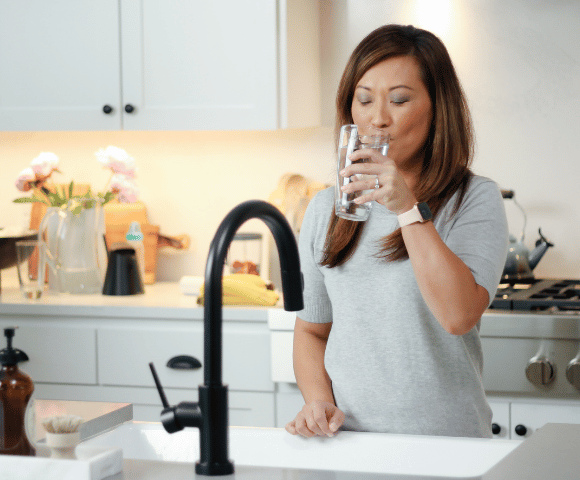
Try taking smaller, steadier sips instead of drinking a large amount at once. Sipping water slowly helps your body absorb water more effectively and prevents overwhelming your digestive system, which leads to feelings of bloating and nausea.
Drink water at room temperature
If you normally like ice cold water, switching to room temperature water can help you feel less nauseous because it’s gentler on your stomach. While cool water can feel refreshing in the moment, the temperature shock when icy liquids reach your stomach can contribute to nausea and cramping. By comparison, room temperature water doesn’t cause this irritation and is absorbed faster by your body, aiding in quick hydration.
Pay attention to taste, odor, and appearance
If your water suddenly smells off, tastes metallic or chemical-like, or looks cloudy or discolored — these can point to an issue with contamination. You can check your water quality report or get your water tested to figure out what’s going on. Identifying the contaminants in your water will help when comparing water filtration systems, as you can choose a solution designed and certified to target the specific culprits for your water quality issues.
If your nausea seems tied to how your water tastes or smells, improving water quality with a water filtration system can help make drinking water more enjoyable.
When to talk to a doctor
Occasional mild nausea after drinking water isn’t always a cause for concern, but it shouldn’t be ignored if it keeps happening. If you’re dealing with repeated nausea, vomiting, dehydration, fever, severe stomach pain, or trouble keeping liquids down, it’s important to get checked by a healthcare professional. These symptoms can signal something more serious that needs medical attention. And if you still feel nauseous even when drinking clean or filtered water, it may point to an underlying digestive or health issue rather than the water itself.
Shop Aquasana solutions for better drinking water
Feeling nauseous after drinking water can be frustrating, but in many cases, there’s a clear cause. If your symptoms seem linked to unpleasant taste, odor, or concerns about contaminants in your water, testing your water is a smart first step.
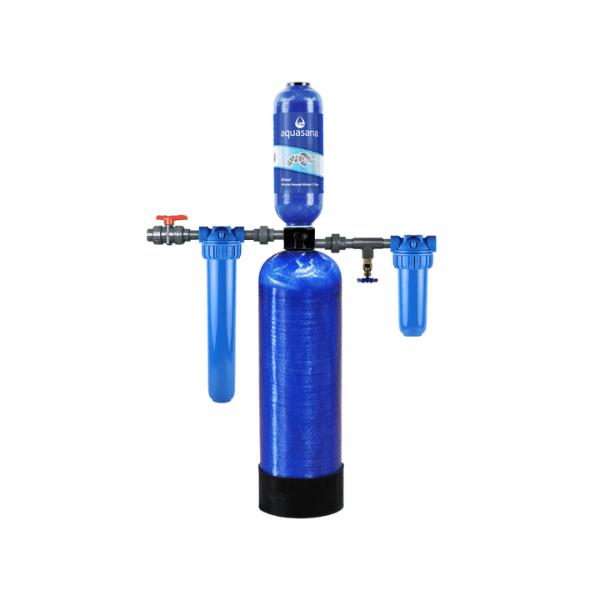
From there, a water filtration system can help improve water quality and make drinking water easier on your stomach. An under sink water filter is a great option for improving drinking water, while a whole house water filter can address water quality issues throughout your home.
If nausea continues even with clean, filtered water, it’s worth talking with a doctor to rule out any underlying health concerns.
WHOLE HOUSE WATER FILTER
Rhino® Max Flow
Maximum-flow whole house water filtration system reduces 97% of chlorine at 2X the flow rate. Lasts 1,000,000 gallons or 10 years.